Turning an AI Image Into a Real Patch
This page is not an image generator. It is what happens after you have generated an image and want it made into something physical. Generated artwork is welcome here and most of it needs preparation first, because image models produce things that look convincing on a screen and cannot be manufactured. None of that is a problem as long as you know it is coming.
An image model is trying to produce something that looks right in a picture. A patch is a physical object built from thread, molded compound or printed fabric, with hard constraints a picture does not have. So generated output tends to fail in the same predictable places: soft gradient shading that thread cannot blend, detail below what the material holds, text that looks like letters but is not, symmetrical objects that are not actually symmetrical, and edges that dissolve rather than stopping.
None of that makes AI artwork unusable. It makes it a starting point rather than a finished file, which is exactly what a hand sketch is too. Our designers rebuild it into something manufacturable and show you every change on the proof, at no charge with a patch order. The most useful thing you can do is generate with the constraints in mind, which the table below is for.
See the physical outcome first
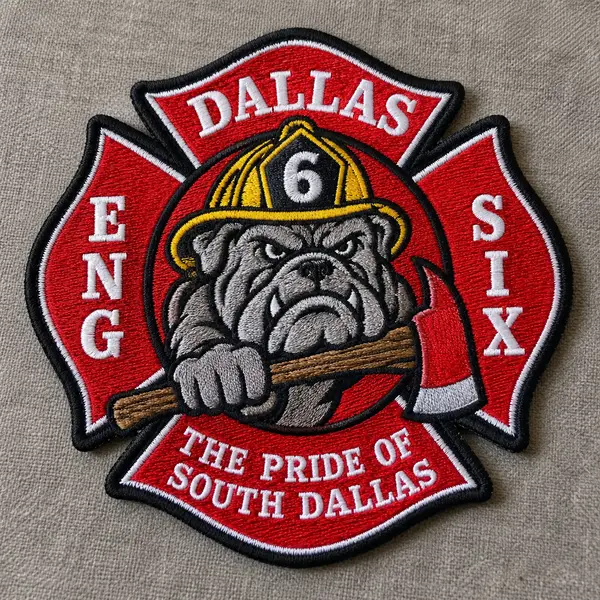
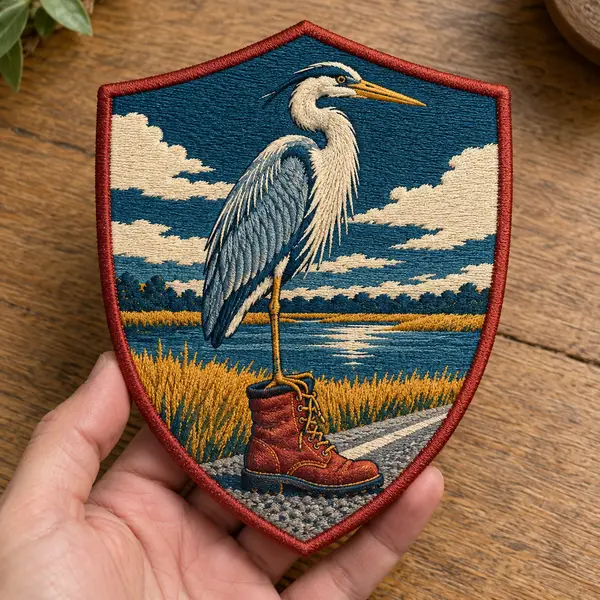
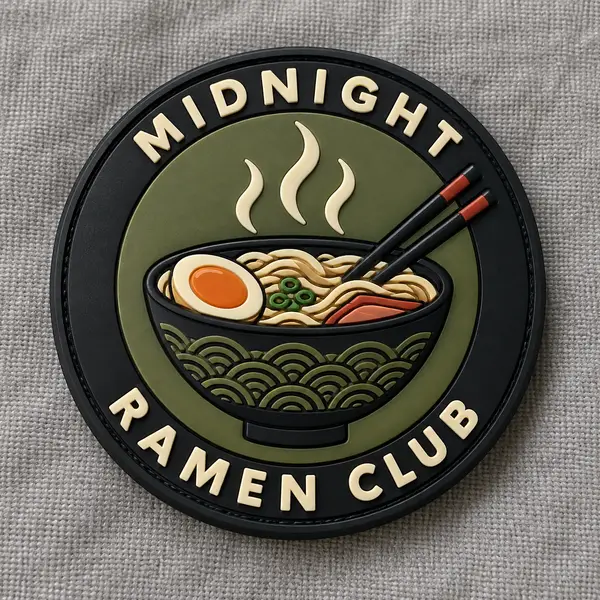
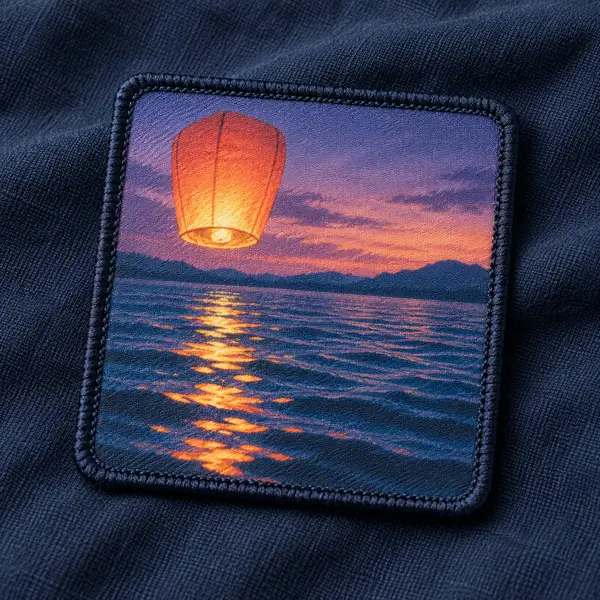
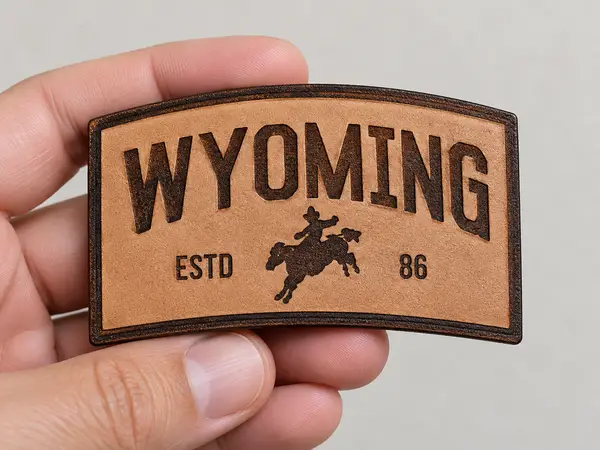
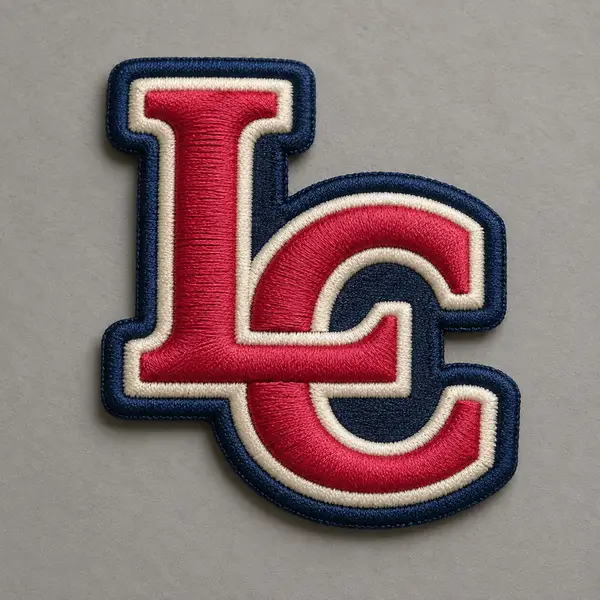
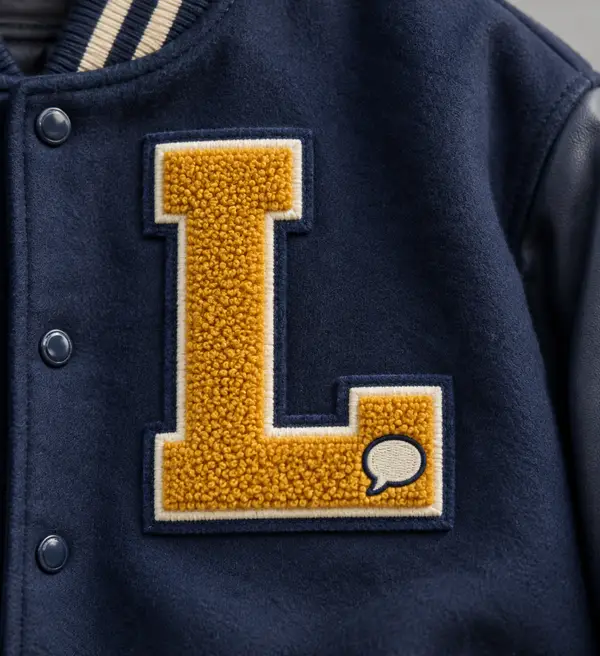
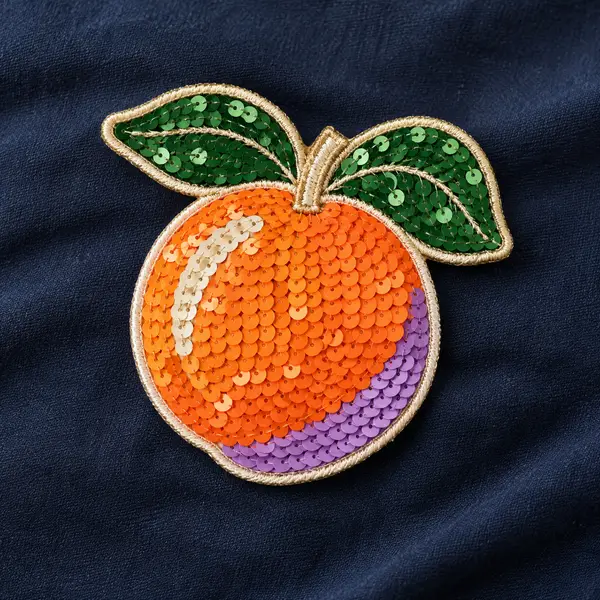
One source idea. Four material decisions.
Six predictable failures
What Has to Change, and Why
Generated images fail in a small number of predictable ways, and all of them are fixable. What follows is what we look for, what it produces if it is left alone, and how we resolve it. You see every one of these decisions on the proof before anything is made, so nothing is changed without you agreeing to it.
| What fails | What it produces | What we do |
|---|---|---|
| Text and lettering | Letters that are almost right, invented characters and words that do not resolve into anything readable at any size. | Any type is redrawn in a real typeface, set at the finished size and checked against the construction minimum. |
| Gradients and soft shading | In thread or molded constructions, a muddy approximation where distinct color areas were expected. | Rebuilt as discrete color areas, or the whole design routed to printing, which reproduces tone directly. |
| Line weight | Lines that vanish entirely at the finished size, or thicken unevenly along their length. | Line weights are normalized and brought up to the minimum the chosen construction can hold. |
| Symmetry and structure | Elements that should mirror each other but do not, and shapes that fall apart under close inspection. | Rebuilt as deliberate geometry so both halves match, which usually improves the design as well as making it manufacturable. |
| Edges and outlines | Soft, undefined boundaries where a patch needs a cuttable outline, and artifacts along every edge. | A clean outline is drawn, and the border finish is chosen against the shape it produces. |
| Detail density | A design that reads beautifully at screen size and turns into noise at the size the patch will actually be. | Elements are cut deliberately at the finished size rather than everything being shrunk until nothing reads. |
Match the image to the process
Which Material Suits AI Artwork
Which construction suits your image depends almost entirely on how much tonal information you want to keep. Shading and photographic quality point one way; bold shapes and flat color point another. The finished size matters just as much, since generated images are usually busy and a busy design at two inches is noise.
| What you keep | Use | Why |
|---|---|---|
| Keep the shading | Printed | Dye sublimation reproduces gradients, soft light and photographic quality directly, which is the closest a physical patch gets to the generated image. This is the route to choose if the tonal work is why you liked the image. |
| Keep the small detail | Woven | Fine flat threads hold lettering down to around 2 mm where the letterform allows, so a redrawn design with small type survives. Shading has to go first, but the intricacy can stay. |
| Keep the texture | Embroidered | Thread gives a physical surface the image cannot have, and it suits generated designs that have been simplified to bold shapes and clear color areas. This is the traditional patch outcome. |
| Keep the shape | PVC | A molded patch takes the outline of the design itself and adds relief, which suits generated artwork reduced to a strong silhouette. Gradients and fine type both have to go, and what remains is often the strongest version. |