Custom Back Patches: Large Panels That Sit Flat on a Jacket
No minimum order
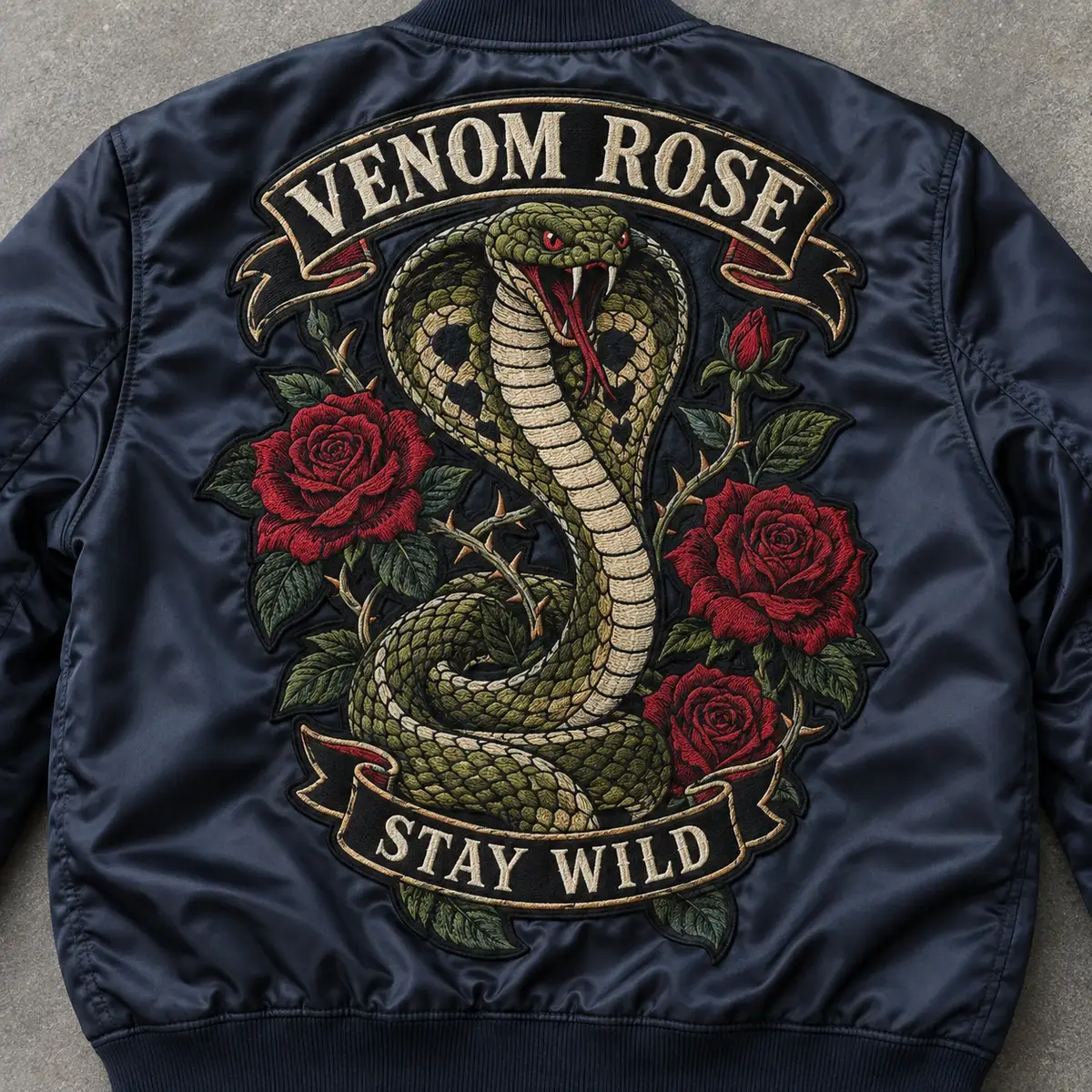
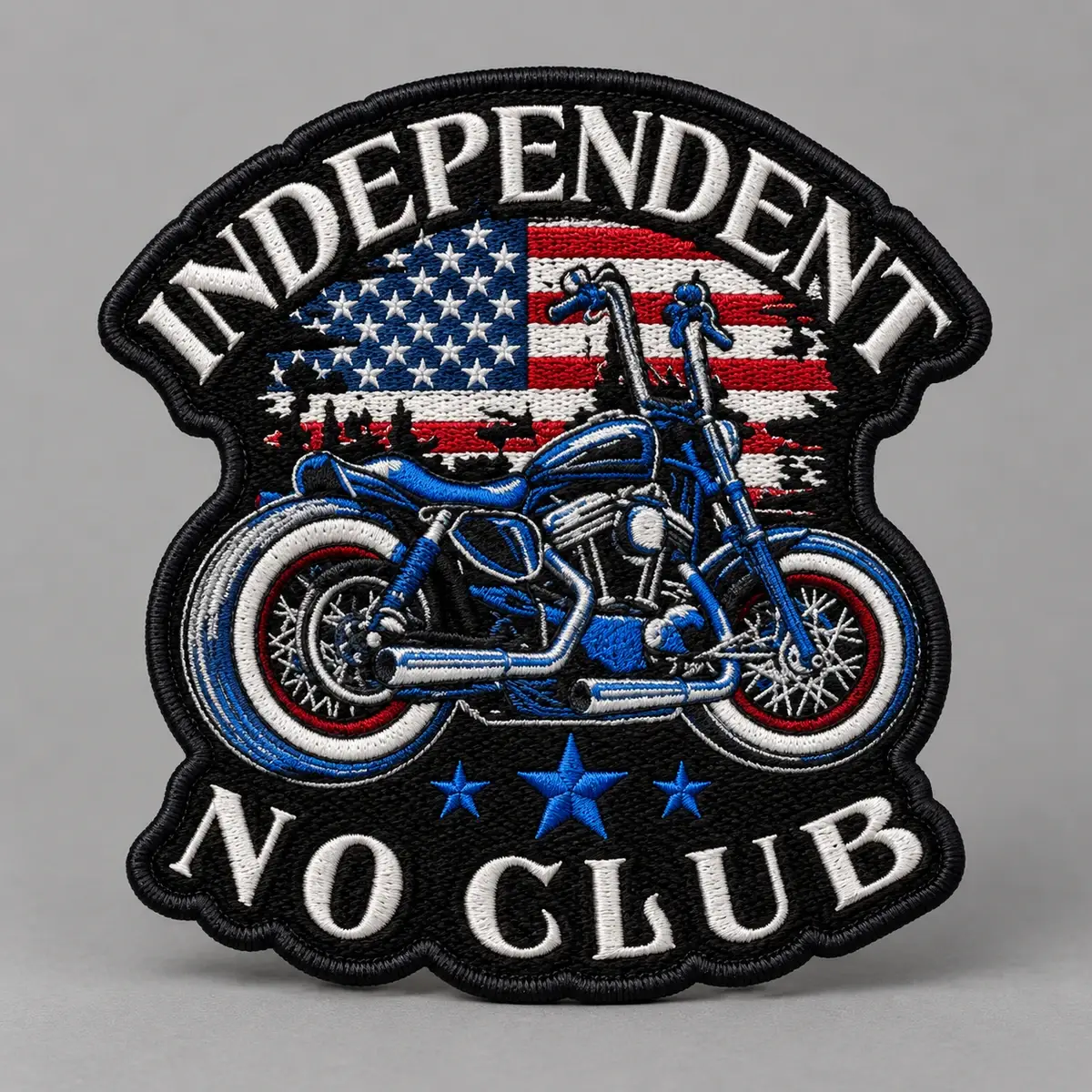
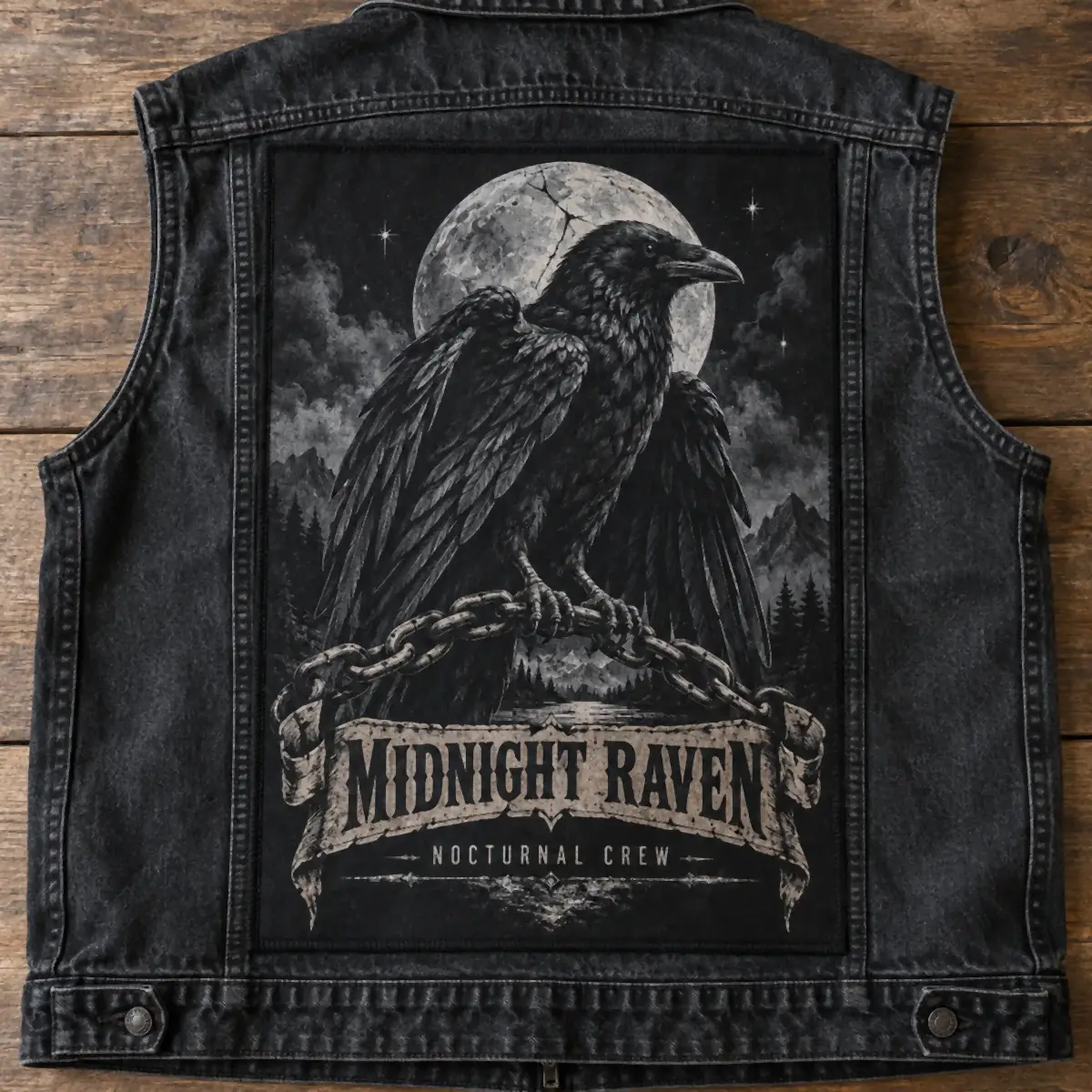
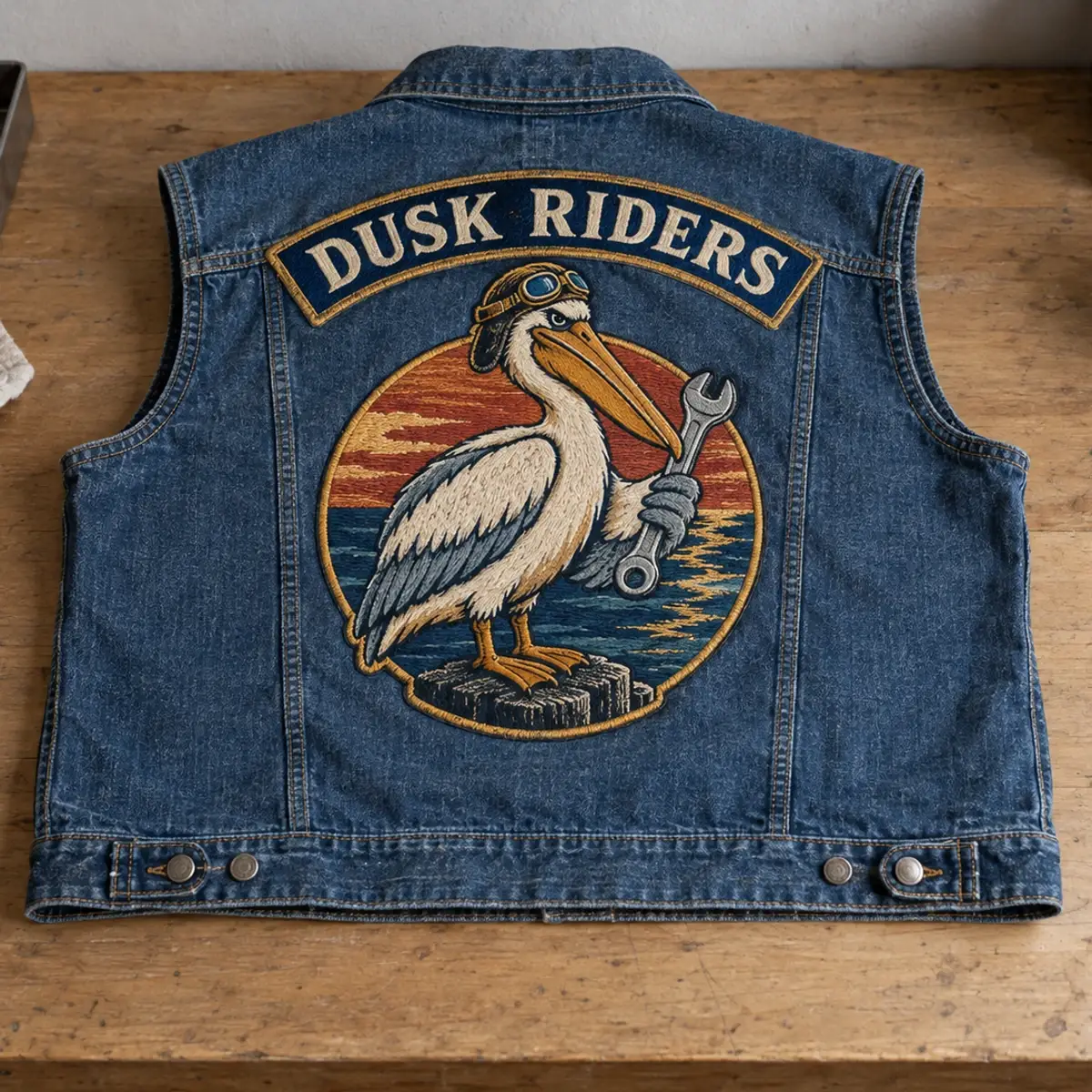
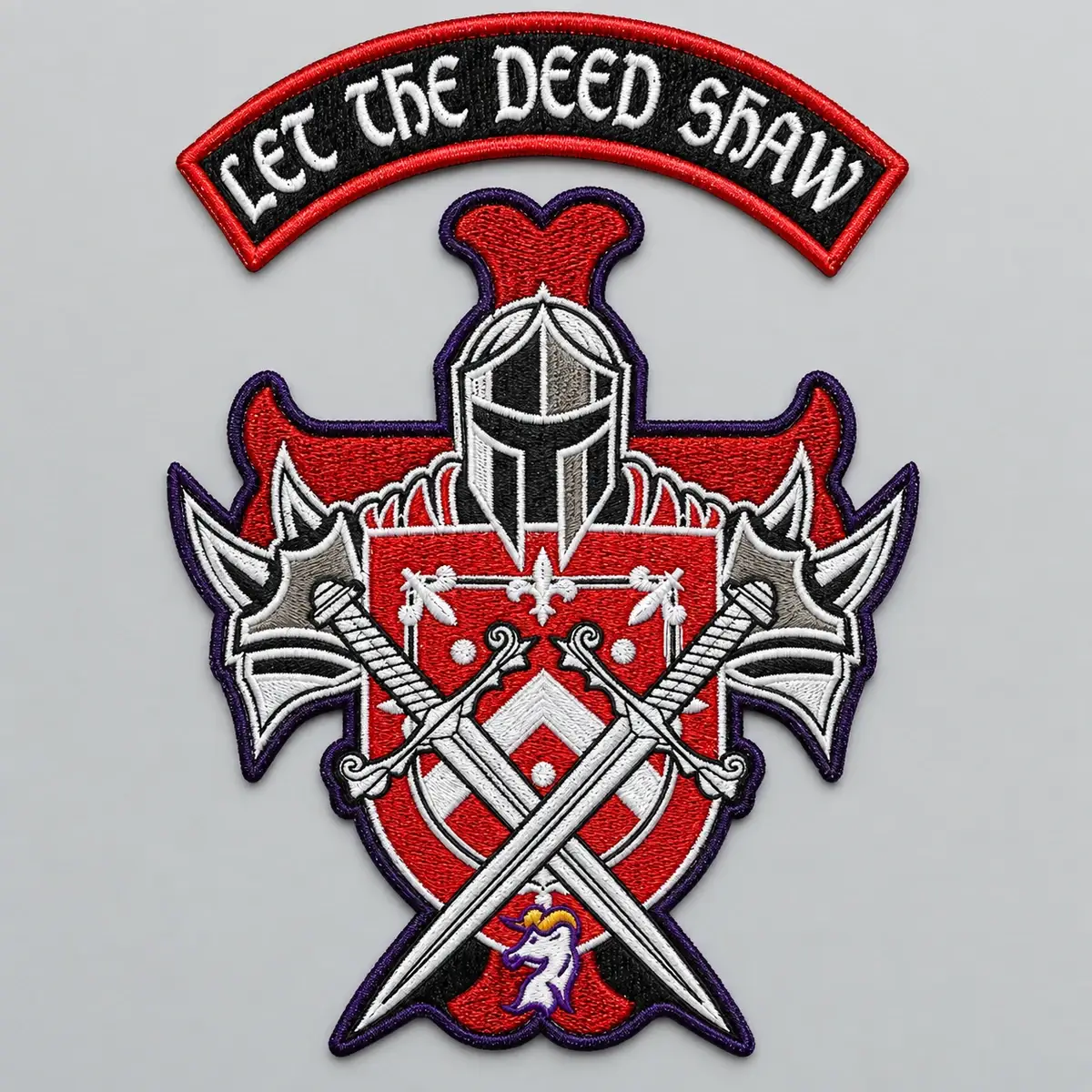
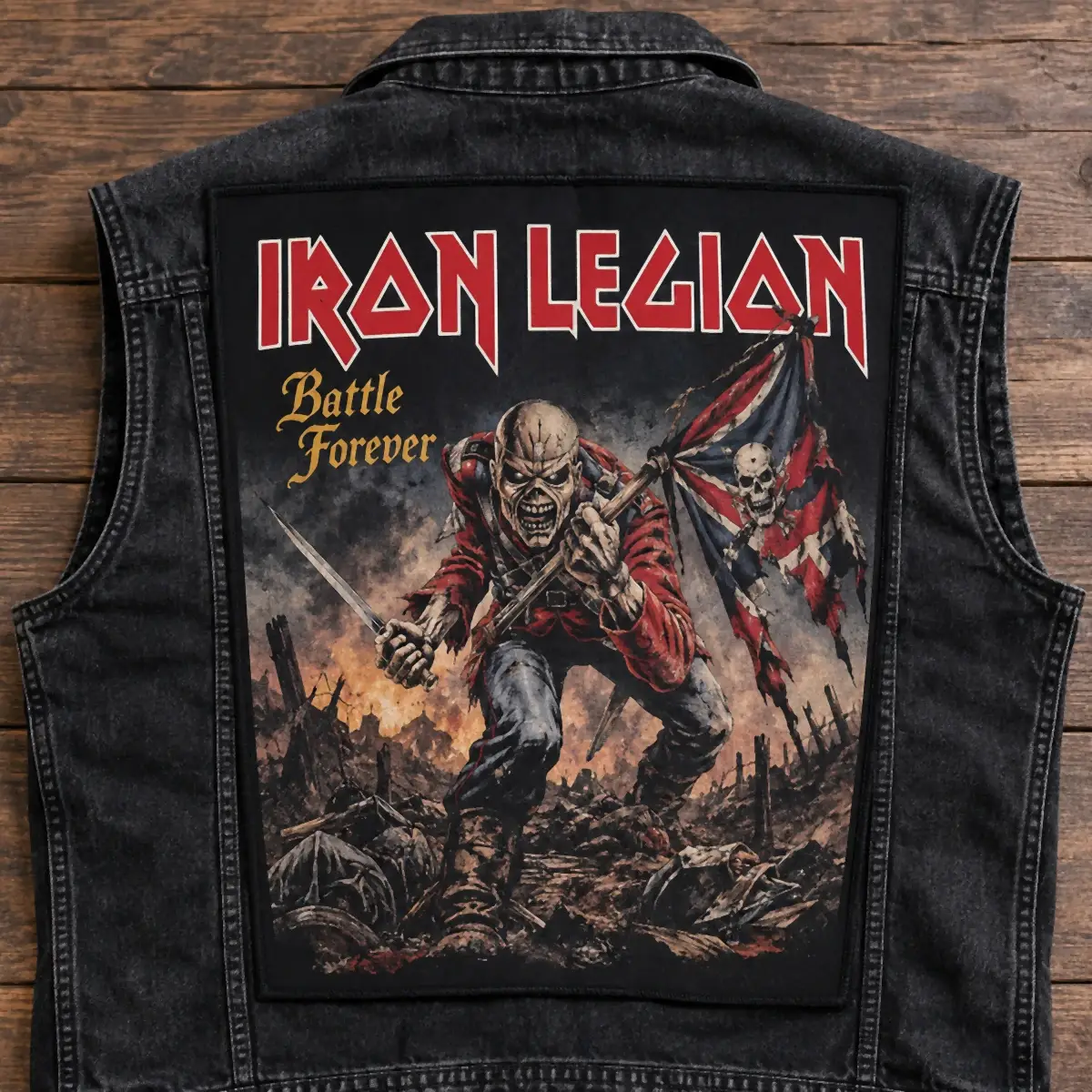
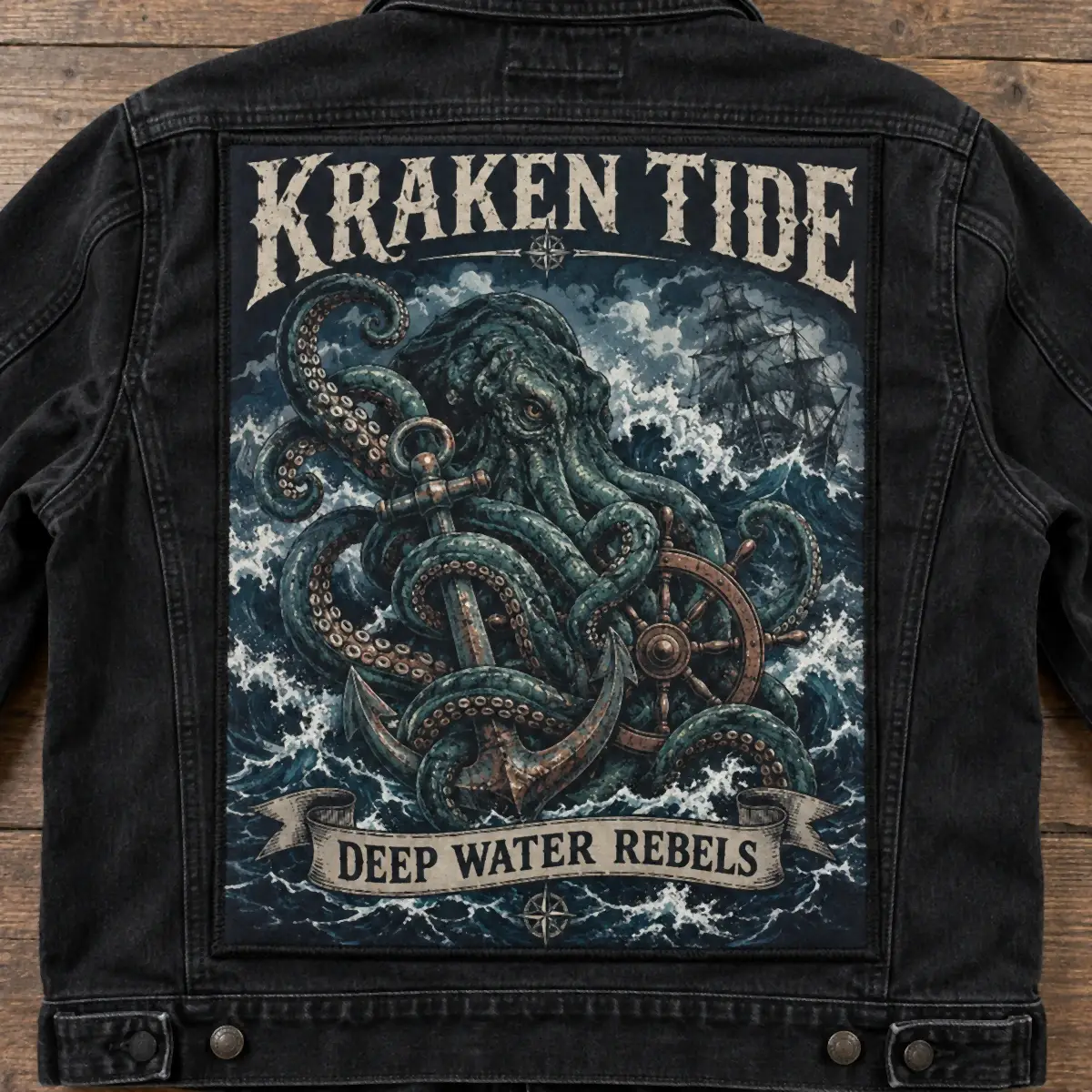
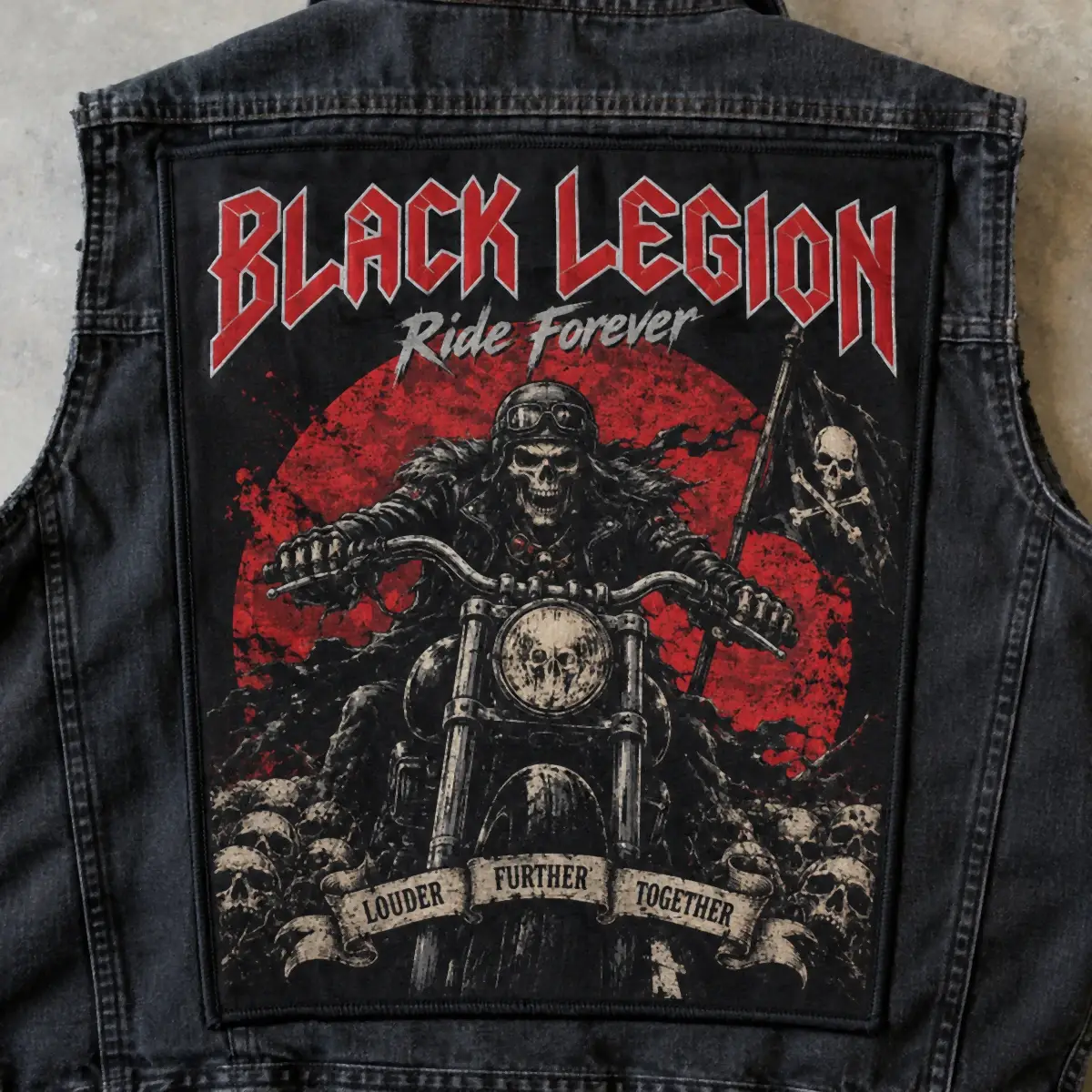
- No minimum order. One patch is a real order.
- First digital proof in 24 hours, one revision included
- No setup or digitizing fees
- Rough artwork is fine. We redraw it.
A back patch is judged on whether it sits flat, not on how much detail it holds. At this scale you have room for almost any artwork, so the interesting problems move elsewhere: the weight of the finished piece, how it behaves on a moving garment, and whether the panel you measured is the panel the patch actually has to fit.
Size comes from your garment, not from a chart. A jacket back, a vest back and a hoodie back are three different areas, and the same design at the same width reads differently on each. Measure the flat area between the seams on the actual garment, and measure it on the size most of your run will be, because a patch cut for a large will overhang on a small.
Construction changes what the piece weighs and how it drapes. Full-coverage embroidery at back-panel scale is heavy and adds structure to the garment. Printing gives you illustration and shading at almost no weight penalty. Chenille gives depth and takes up more room than people expect. There is no single right answer, and the honest comparison is on this page rather than buried in the material specs.
One piece or several is a real decision rather than a detail. A single panel keeps the artwork intact and the alignment fixed. A set of pieces lets you replace one part later, fit around a zip or a seam, and add to the garment over time. We will tell you which suits your artwork and your garment, and we size the pieces against each other so the set reads as one design.
What people order
Four ways a back gets covered
These four cover almost every back order we take. The difference between them is not the artwork, it is whether the panel is one piece and whether anything else on the garment has to match it.
04Common orders
Sew-On Patches for Large Back Panels
One piece covering most of the back, with the artwork intact and nothing to align. It is the simplest thing to apply and the heaviest thing to wear, particularly in full-coverage embroidery. Measure the flat area between the seams on the garment size most of your run will use, and expect the patch to be sewn rather than pressed at this scale.
View Sew-On Patches page
Logo Patches for Center-Piece Designs
A smaller panel that leaves room above or below it, which is what you want if rockers, a name strip or a later addition are coming. It is lighter, cheaper and easier to place than a full panel, and it drapes better on a lighter garment. Tell us what else is going on the back, even if you are not ordering it yet, so the spacing works later.
View Logo Patches page
Uniform Patches for Matching Front Pieces
Where a chest badge, a name strip or a rank tag has to match the back panel, the set is planned together. Matching means more than the same artwork: the color references, the border finish and the thread or ink have to agree, and that is much easier to guarantee in one order than across two placed months apart.
View Uniform Patches page
Vector Art Service for Replacement Panel Artwork
Replacing a worn or damaged panel on a garment that still carries its other pieces is a matching job rather than a design job. Send a clear photograph of the existing patch alongside a measurement, and tell us what the surrounding pieces look like. We will match as closely as the artwork and materials allow and show you the result on the proof before making it.
View Vector Art Service page
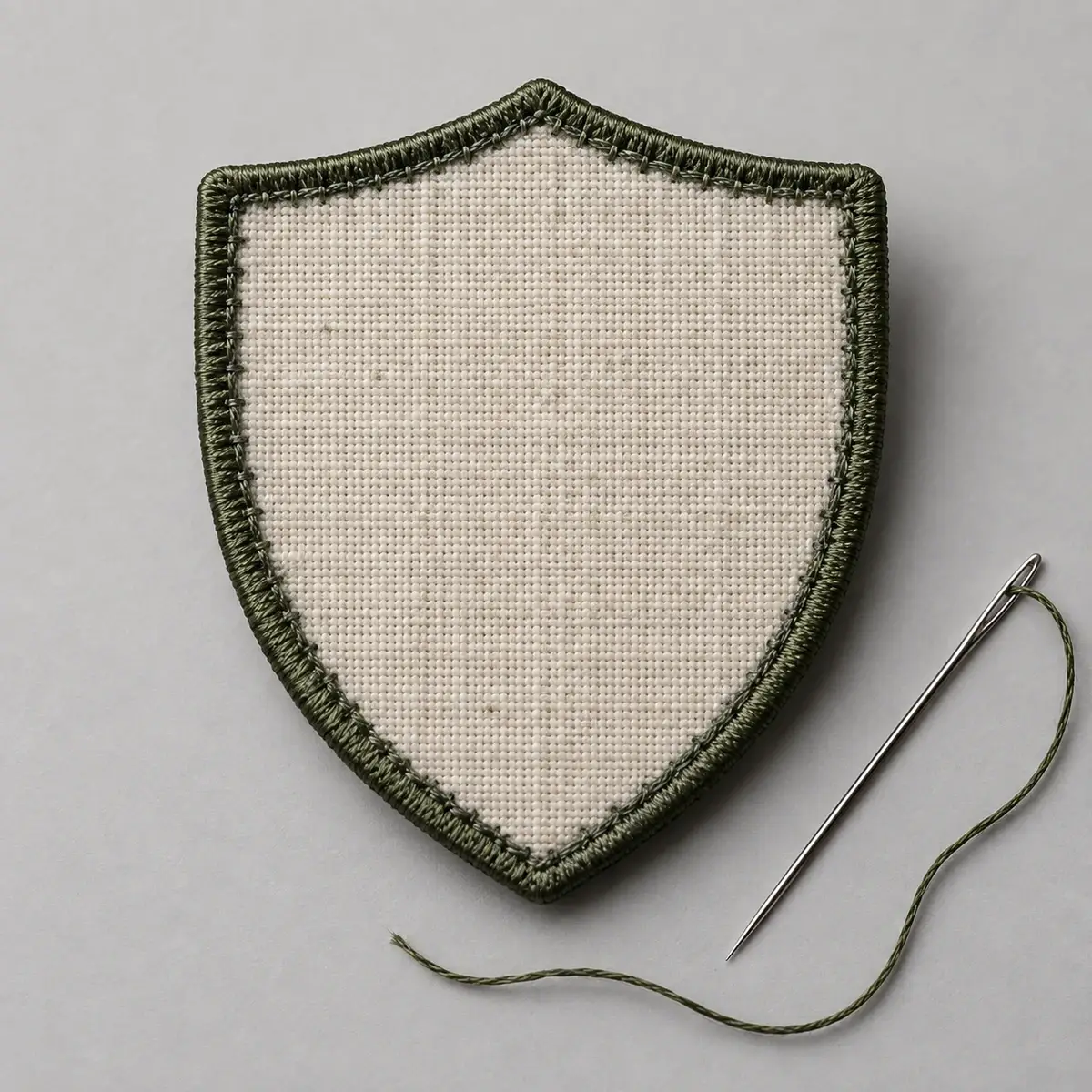
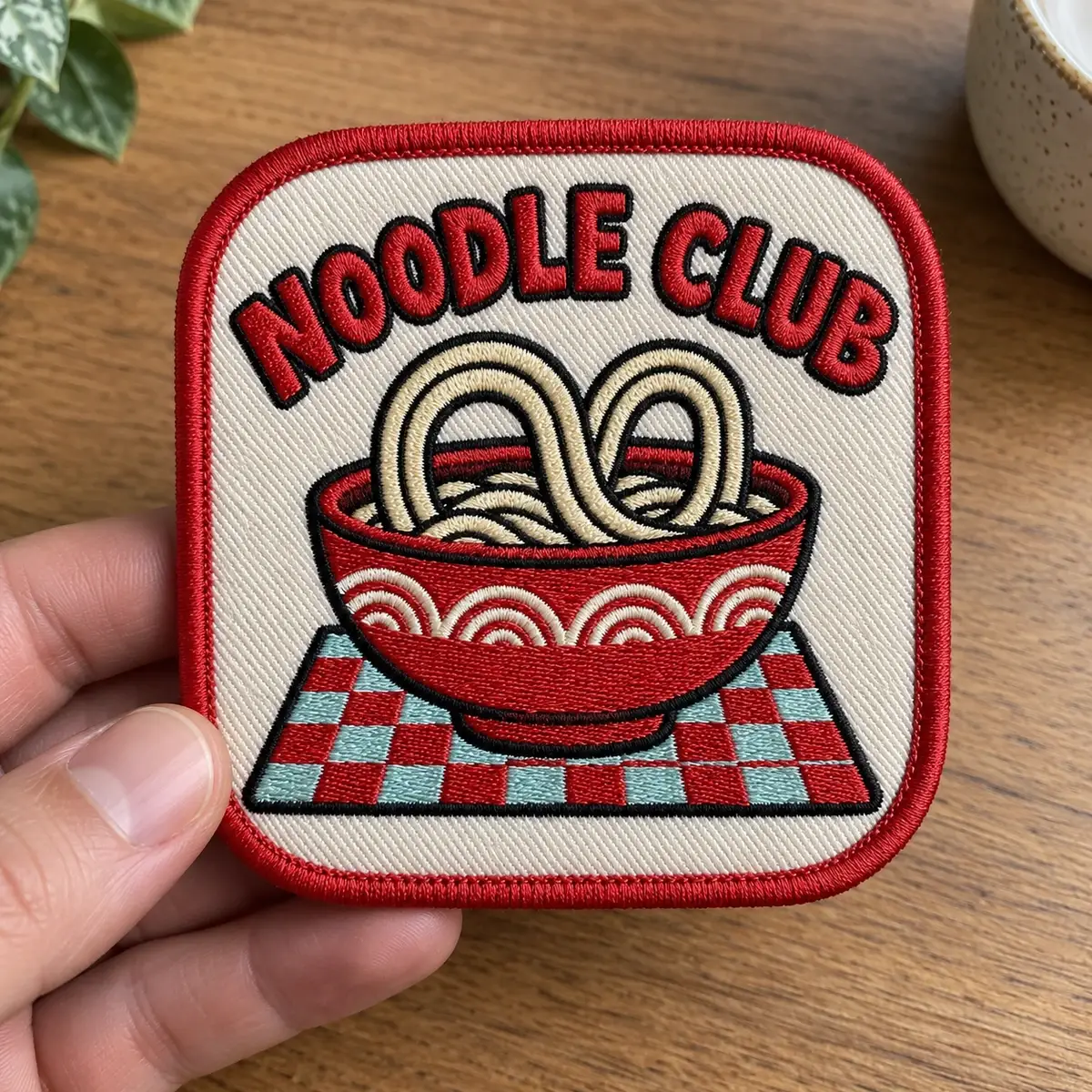
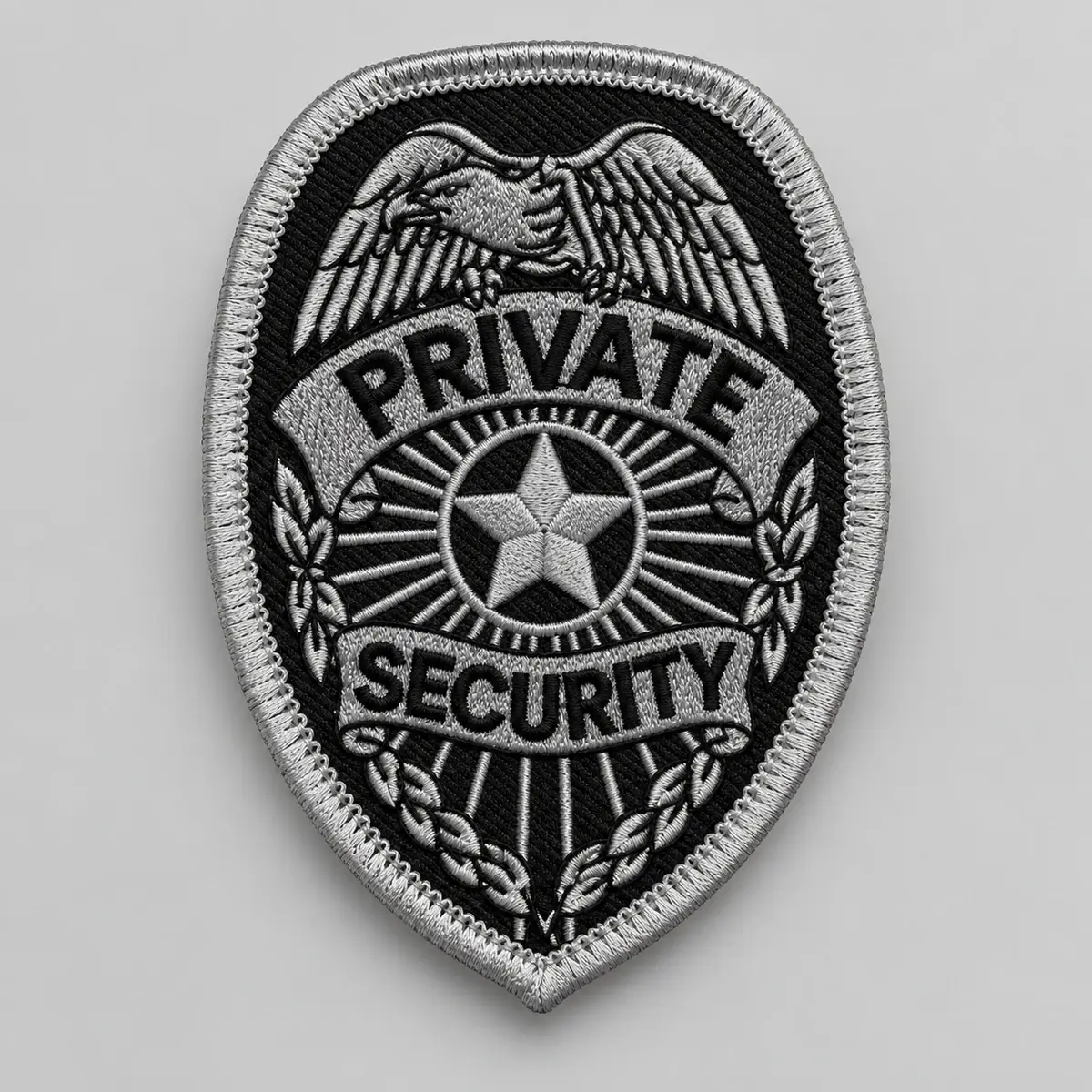
12″
Wide, shoulder to shoulder
Twelve inches across is a common working width for a full back panel, and it is a starting point rather than a specification. What sets the real number is the flat area between the seams on your garment, measured on the size most of your run will be. Vests, jackets and hoodies all give you different room, and a patch cut for one will not sit right on another.
Measure the panel rather than the garment. Take the width between the side seams at the widest point you actually want covered, and the height between the yoke seam and the hem, then decide how much margin you want around the artwork. Send both numbers with the artwork and we will size to them rather than scaling a design to a figure we picked.
For thread texture and a traditional patch at scale, choose custom embroidered patches. When the artwork is illustrated, shaded or photographic, choose printed patches. For bold lettering with real depth on a jacket, choose custom chenille patches.
What decides a back panel
Three things that matter more than the artwork
At this scale the design is rarely the hard part. These three are what decide whether the finished piece looks right on the garment on day one and still looks right a season later.
Weight and drape
A large fully covered embroidered panel is heavy and stiffens the area it covers. On a leather vest that is fine and on a light hoodie it is not. Construction is chosen against the garment as much as against the artwork.
The panel, not the garment size
We size to the flat area between the seams on the size most of your run will use. A number taken from a garment label or from another patch is the most common reason a back piece arrives wrong.
One piece or a set
A single panel keeps alignment fixed. A set lets you fit around a zip, replace one part later or add pieces over time. When it is a set, we size the pieces against each other so the whole back reads as one design.
Send the artwork and two measurements
Give us the width and height of the flat panel on your actual garment, plus the artwork and what else is going on the back. We will tell you which construction suits it and quote the piece or the set. We send a digital proof within 24 hours before anything is stitched.
What the order involves
Specifications
Everything you need to know before ordering your custom back patches.
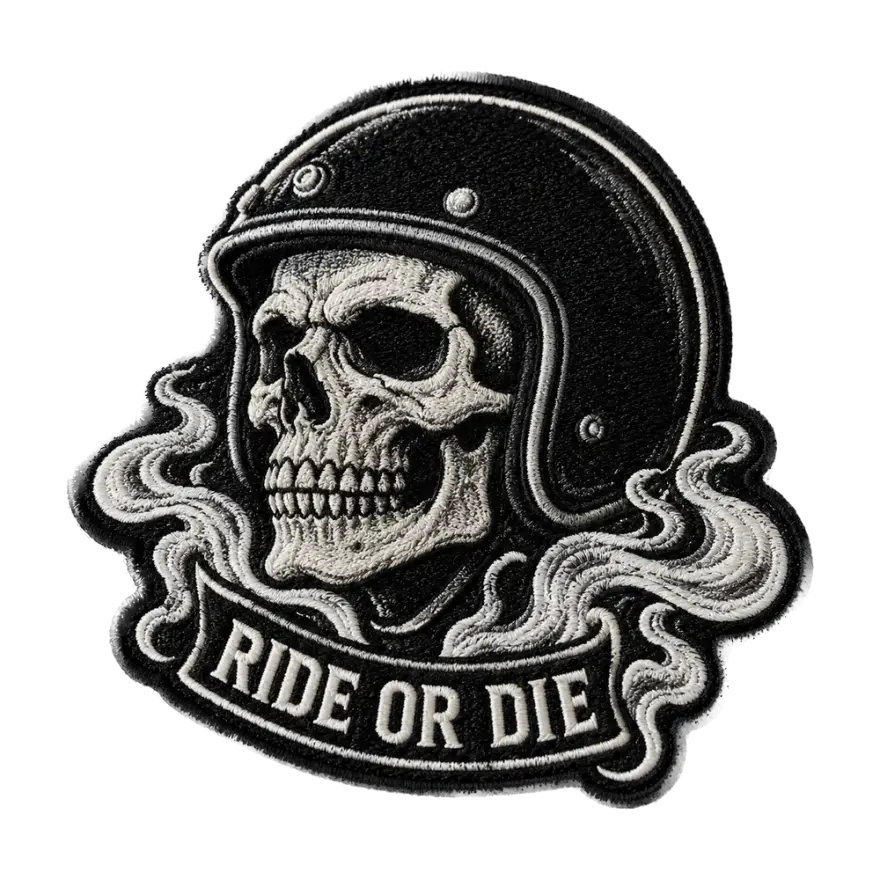
- Size range
Set by the flat panel on your garment. Confirmed on the proof rather than fixed to a maximum
- Backing options
Usually sewn at this scale. Confirmed against the garment
- Color handling
Set by the construction: thread colors in embroidery, full tonal range in print, yarn and felt in chenille
- No minimum order
- 14–16 Days
- Standard delivery
- Free first proof
- Free US shipping
Order as few or as many as you need.
The figure the quote is written against.
One revision included. Nothing is made until you approve it.
Worldwide shipping quoted per destination.
Quality craftsmanship. Fast turnaround. Zero hidden fees.
How It Compares
vs. Printed instead of embroidered
At back-panel scale the difference is weight as much as look. Full-coverage embroidery is heavy, adds structure and gives real thread texture. Printing reproduces illustration, gradients and high color counts at a fraction of the weight, with a smooth surface and no relief. Illustrated artwork usually points at printing; a bold traditional design usually points at thread.
Embroidery for texture on a heavy garment. Printing for illustration and lighter weight.
vs. One piece or a rocker set
A single panel keeps the artwork whole and removes every alignment problem. A set of pieces gives you a top and bottom rocker, room to add later, and the ability to replace one piece rather than the whole back. The tradeoff is that a set has to be aligned on the garment, which is real work at this scale.
One piece for simplicity. A set when the back grows or has to be replaceable.
vs. A club set specifically
Club colors are a back-patch order with additional rules that come from the club rather than from us: who wears which pieces, what the set contains and how it is arranged. That planning belongs on the motorcycle page. This page covers the panel itself, its size, its construction and how it sits on the garment.
Stay here for the panel. Use the motorcycle page for a club set.
Before you measure
Worth reading first
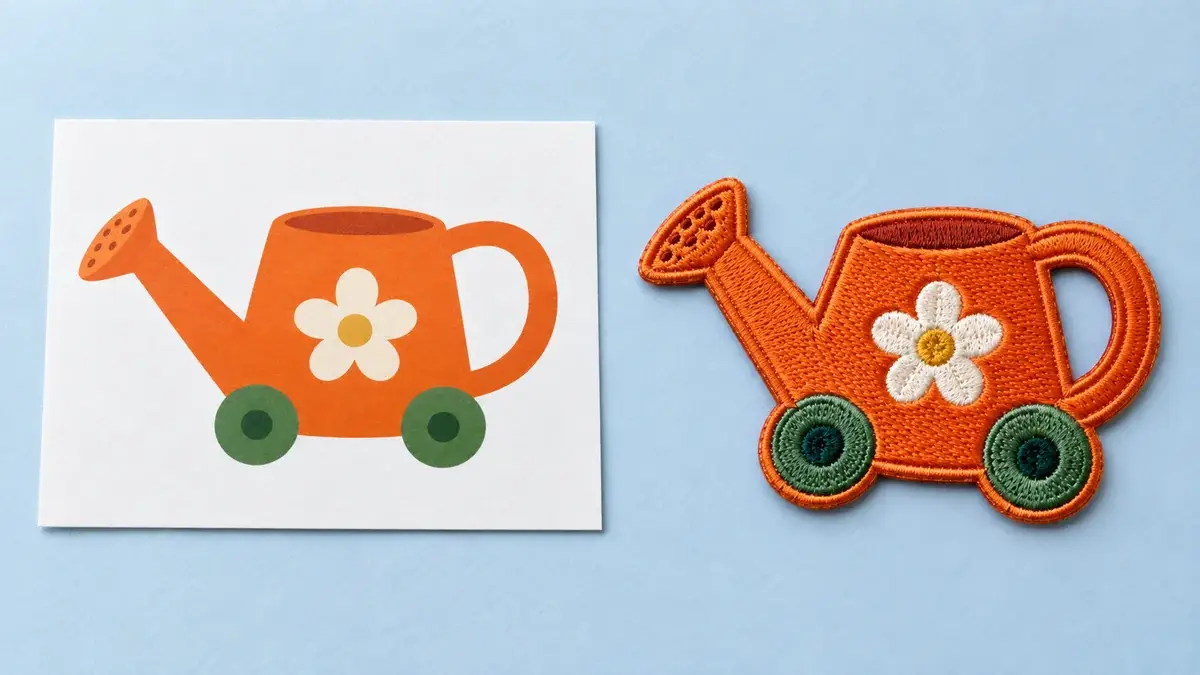
How to Design a Custom Patch
Covers the artwork workflow that decides finished size, which is the constraint on every back panel order.
READ MORE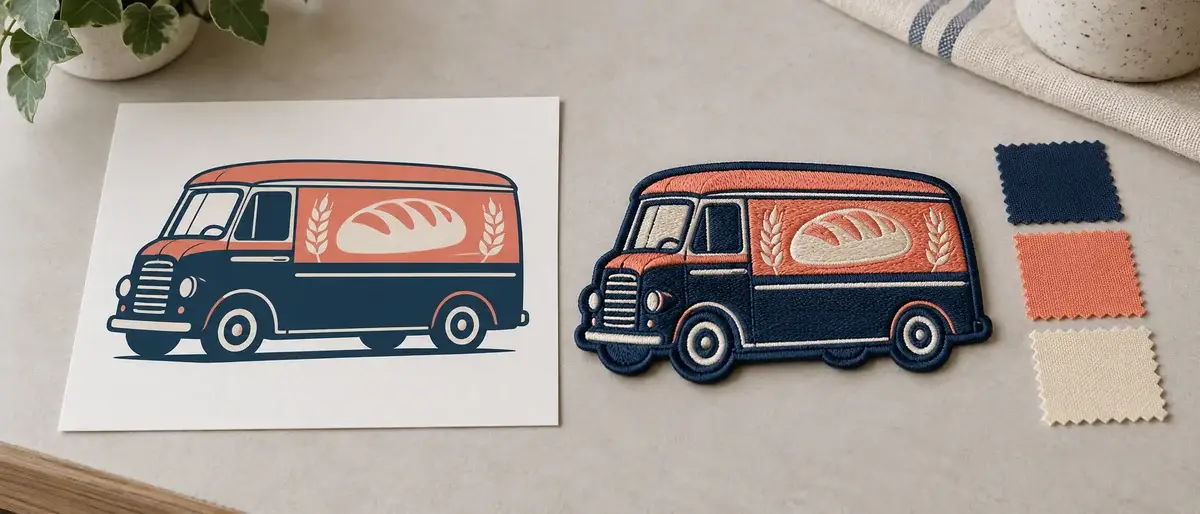
How Embroidered Patches Are Made
Explains what full coverage actually involves, which is where the weight of a large embroidered panel comes from.
READ MORE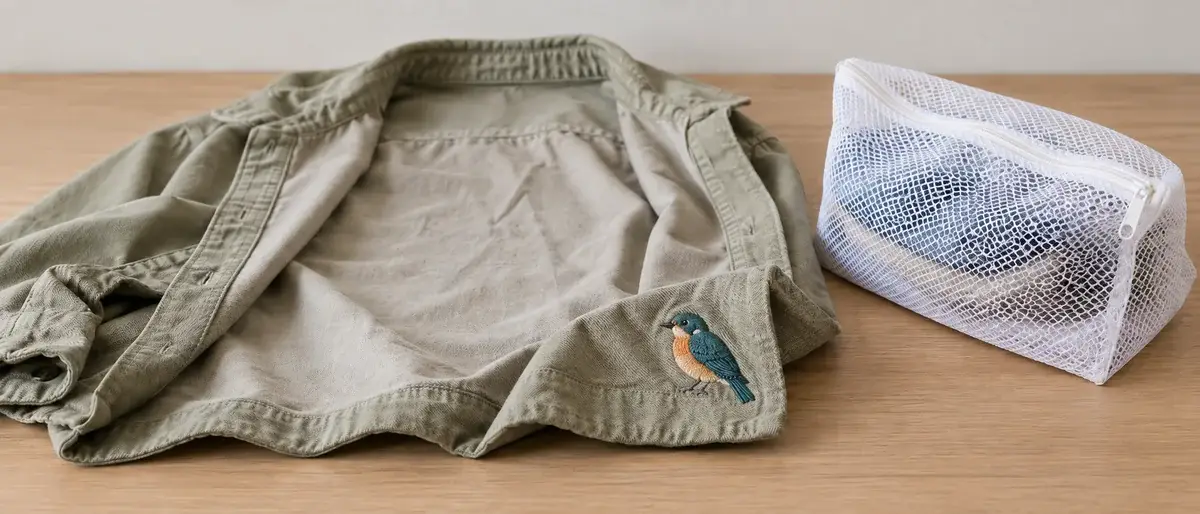
How to Care for Custom Patches
Care by construction and attachment, which matters most on the largest piece on a garment.
READ MOREOur process
The complete order sequence
Six stages. Three need action from you. Liberty Patches handles the rest.
for a brighter
tomorrow.
Before production
Your input helps Liberty Patches get every detail right.
- You
Share the brief
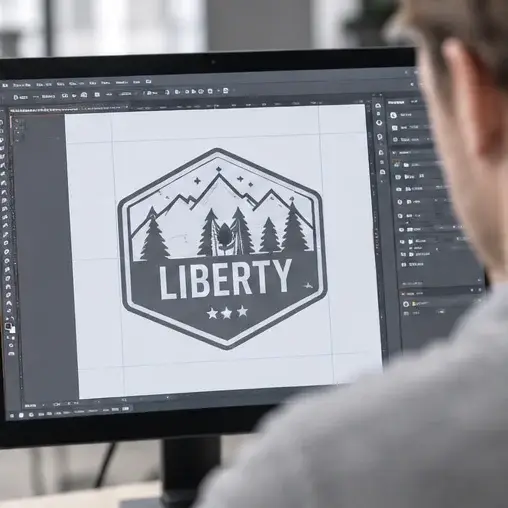
Artwork in whatever state it is in, the quantity, finished size, placement and date needed. There is no minimum.
- Liberty Patches
Review construction
Liberty Patches checks the design against the construction, redraws rough artwork, and includes vector conversion or digitizing with a patch order.
- You
Confirm the quote
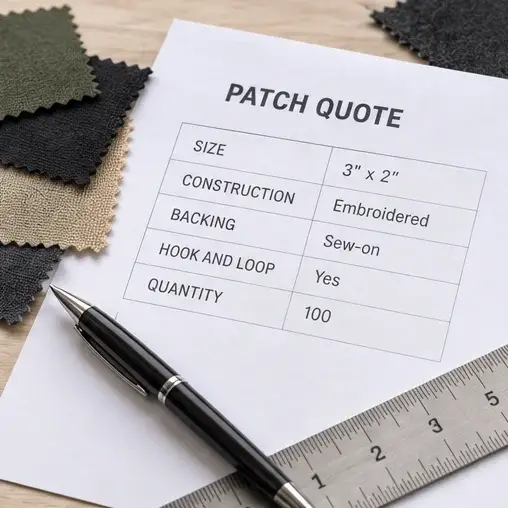
The quote confirms size, construction, backing and quantity. Valid for 14 days. A quote is a price, not a commitment.
- You
Approve the proof
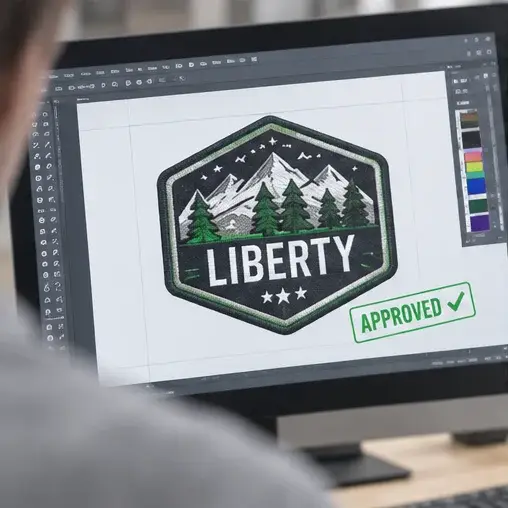
A digital proof shows size, colors, border and backing. Nothing is made before approval.
Production starts after this approval.
After approval
Liberty Patches handles the rest.
- Liberty Patches
Produce and inspect
Production follows approval and payment. The first piece is checked before the rest continues, and every piece is inspected afterward.
- Liberty Patches
Dispatch and receive
Finished patches are packed and shipped by UPS or FedEx. Tracking is sent by email or SMS where available.

