Custom Tactical Patches Sized to the Gear Field
No minimum order
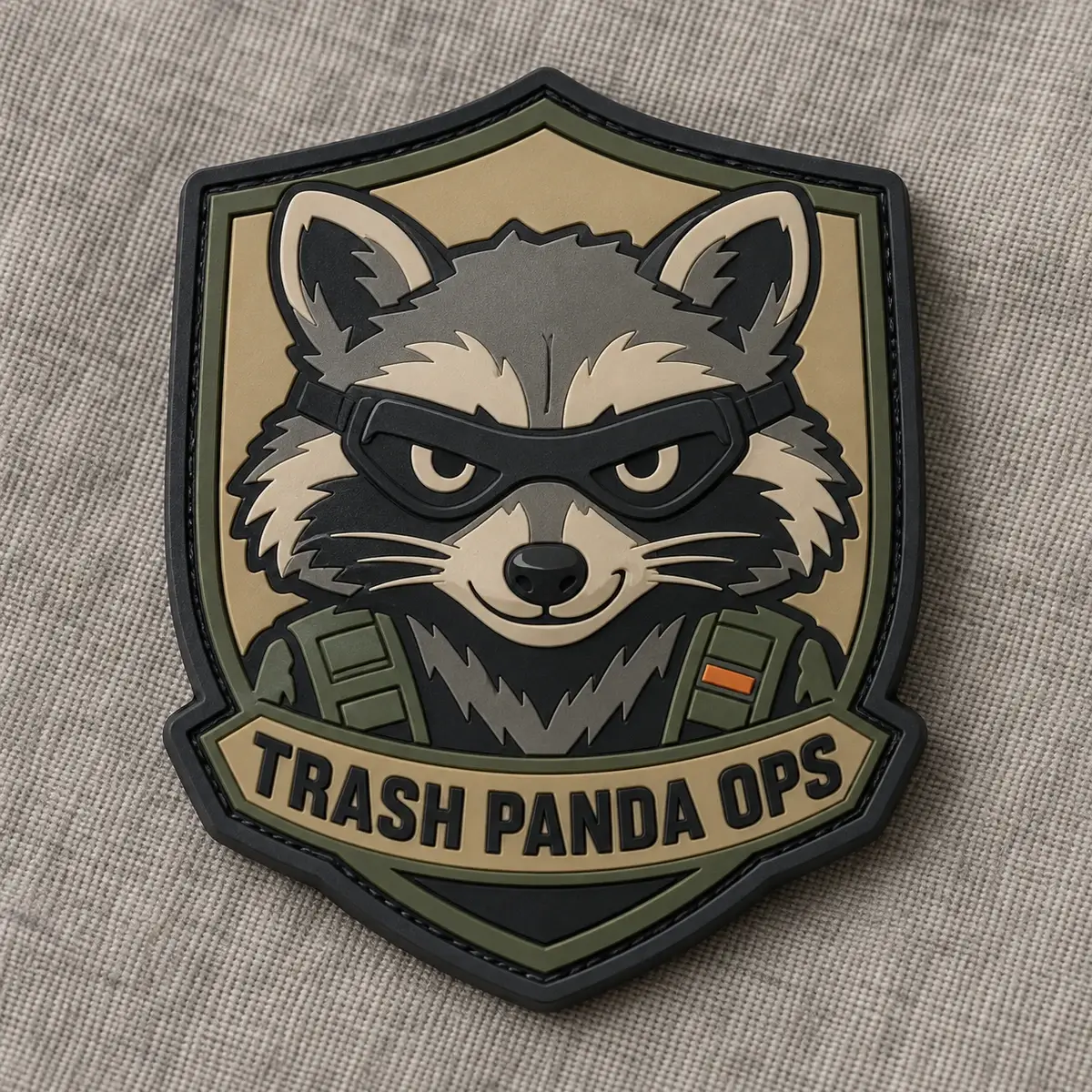
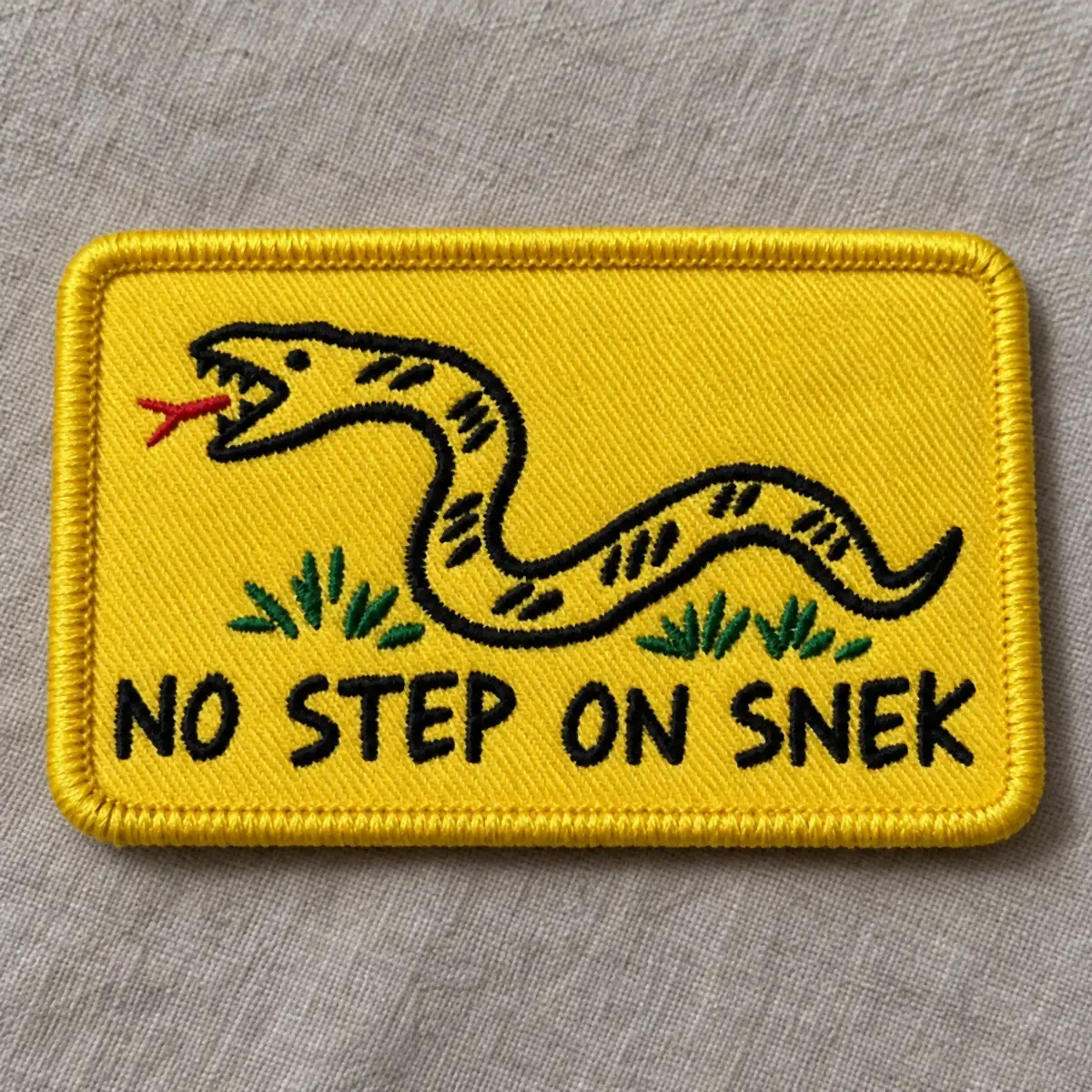
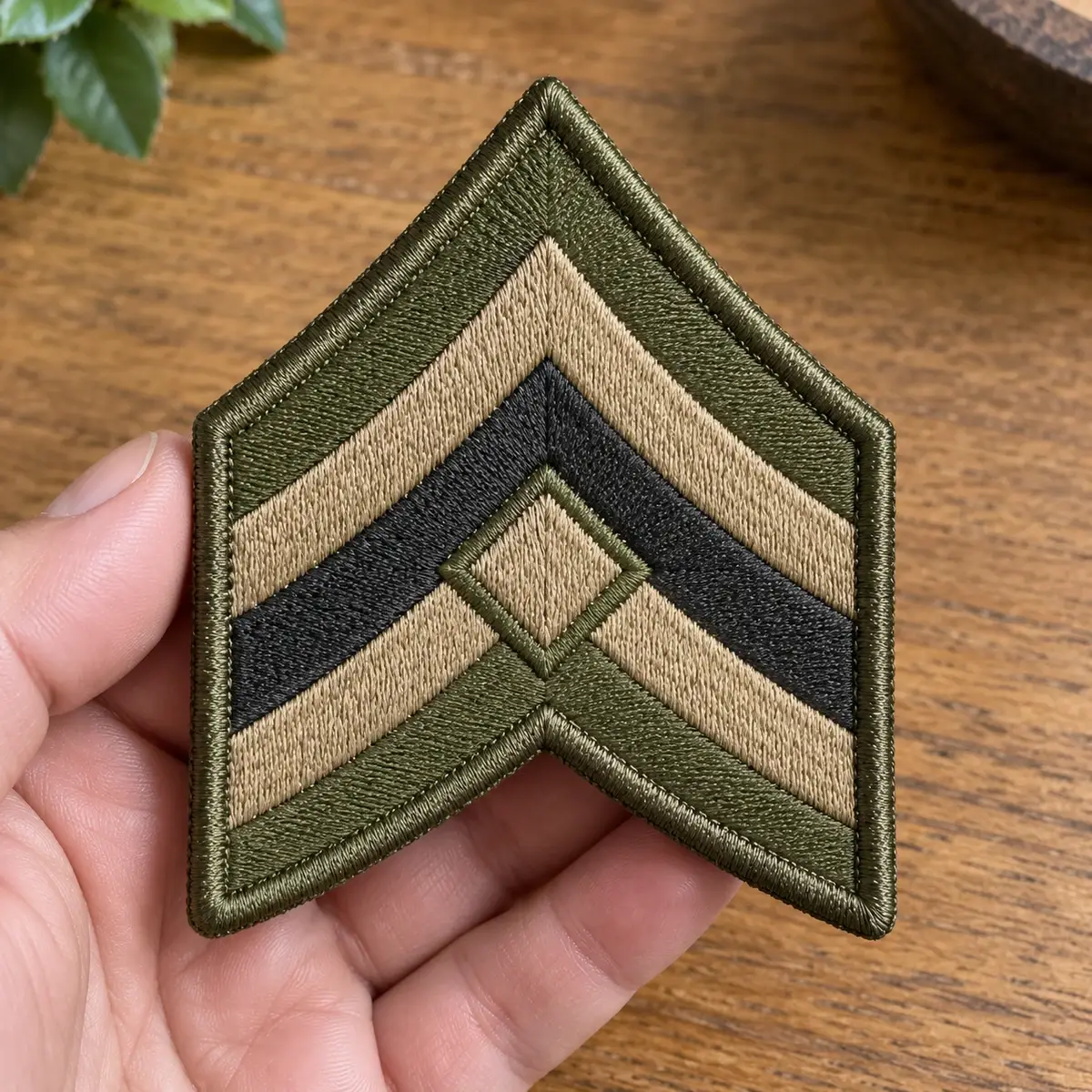
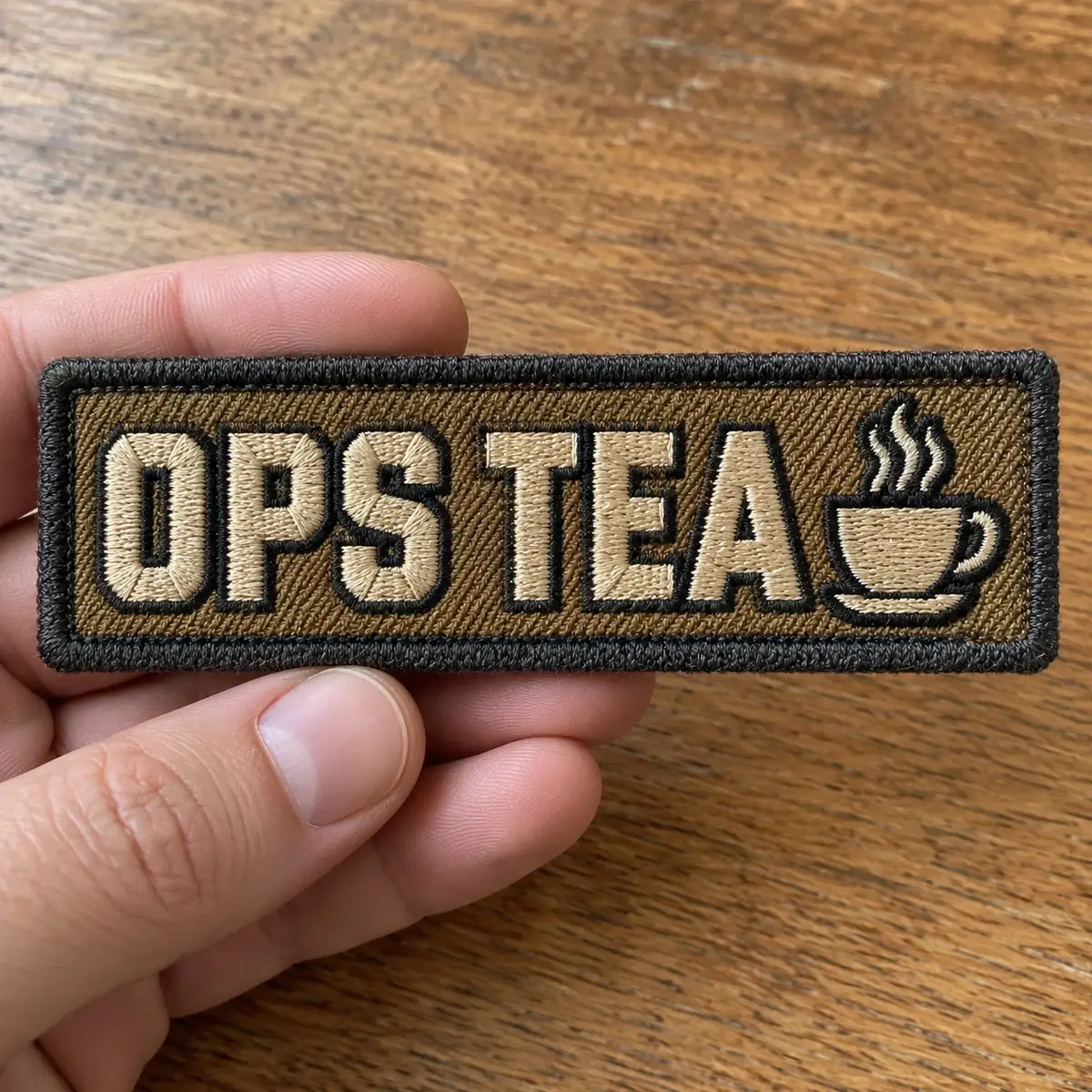
- No minimum order. One patch is a real order.
- First digital proof in 24 hours, one revision included
- No setup or digitizing fees
- Rough artwork is fine. We redraw it.
A tactical patch is defined by where it lives rather than by what it is made of. It sits on a loop field on a carrier, a rig or a pack, it comes off and goes back on, and it is usually chosen to be read at a glance or deliberately not read at all. Those three facts drive every decision on this page.
Size comes from the gear. Loop fields are a fixed size on any given carrier and they differ between manufacturers and between products from the same manufacturer, so the field you actually have is the specification. Measure the usable area rather than the panel edge to edge, because a patch cut to the full panel will overhang once it is pressed on. Send that measurement with the artwork.
On performance claims we are deliberately plain. We do not describe our patches as sealed, IR-ready, laser-cut to a standard, or rated for any operational condition, because we have no test evidence to support those statements. If your requirement specifies a material or a performance characteristic, send that specification and we will tell you honestly whether we can meet it. What we will not do is repeat a claim we cannot stand behind.
What people order
Five kinds of gear-field patch
These five cover most of what we make for carriers and rigs. They differ in how visible they are meant to be and how tightly the size is constrained by the field they sit on.
05Common orders
Name Patches for Identification Strips
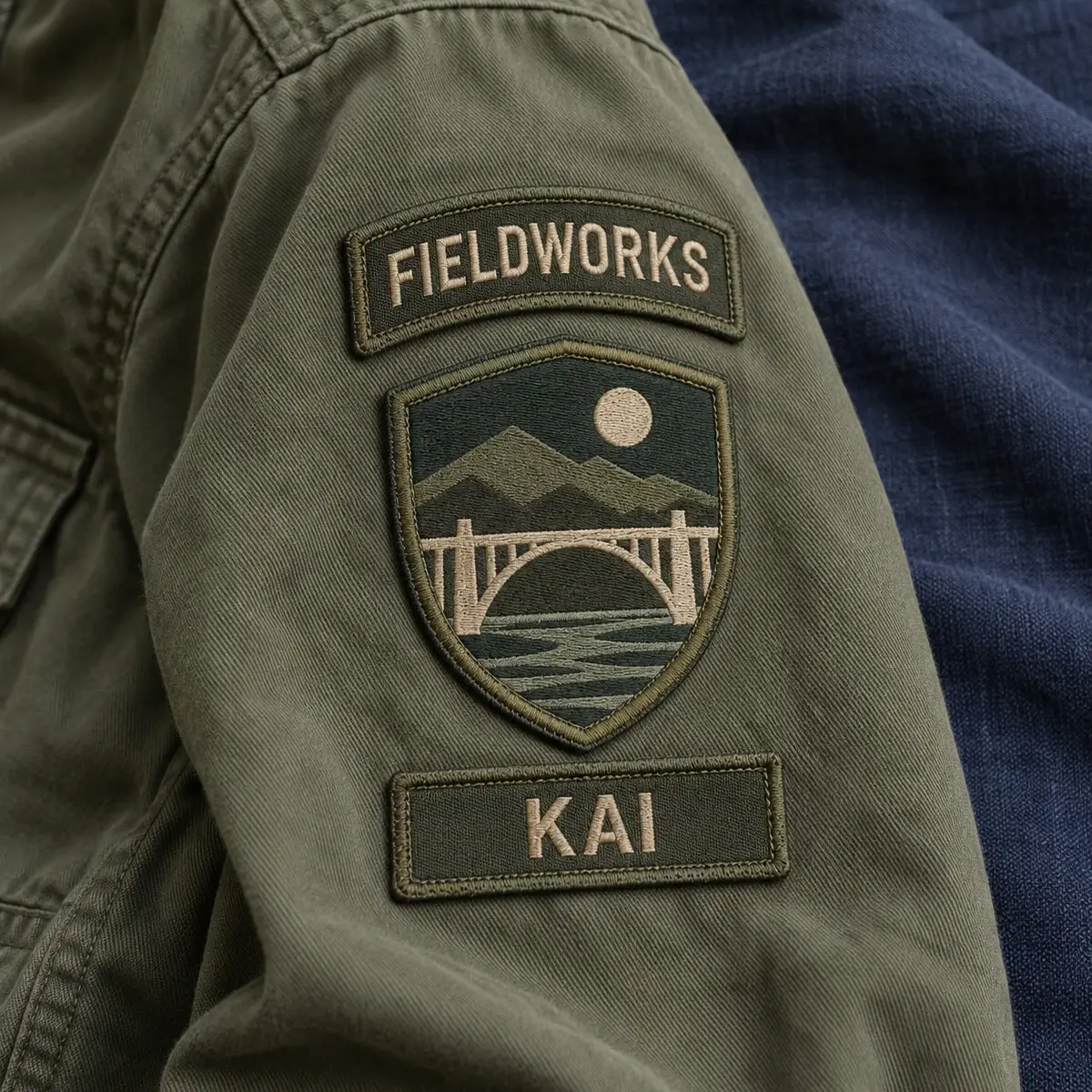
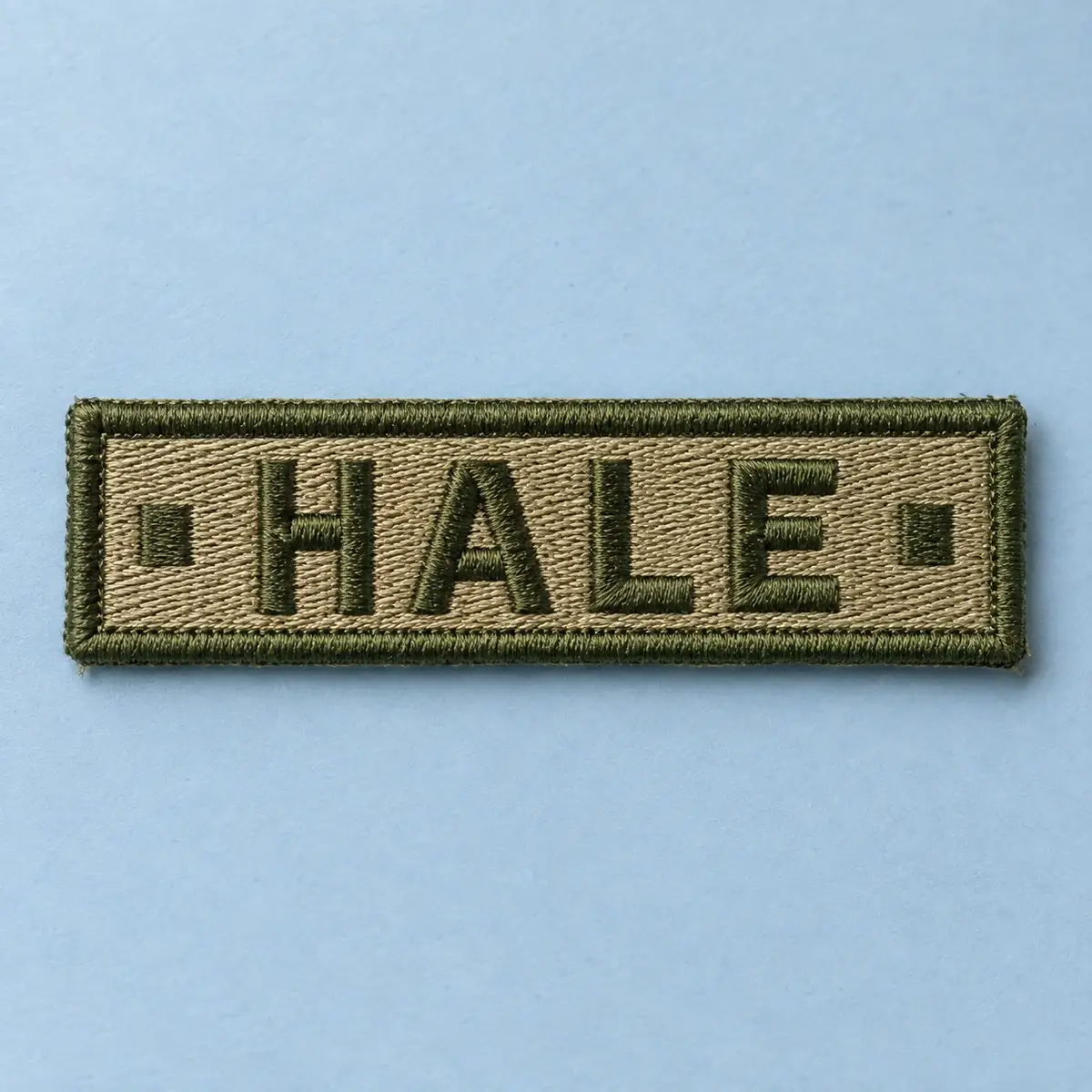
Names, call signs and agency strips, usually on a narrow field where the length is fixed by the carrier or the loop field and the content varies. Measure the actual field on the gear rather than working from a nominal size. We set one letter height across the whole set from the longest string, so the pieces match each other rather than each being squeezed to fit. Send the list exactly as each panel should read, and flag any call sign that mixes letters and numbers so it is checked individually on the proof. A different name on every strip costs no more than the same one repeated.
View Name Patches page
Woven Patches for Compact Role Panels
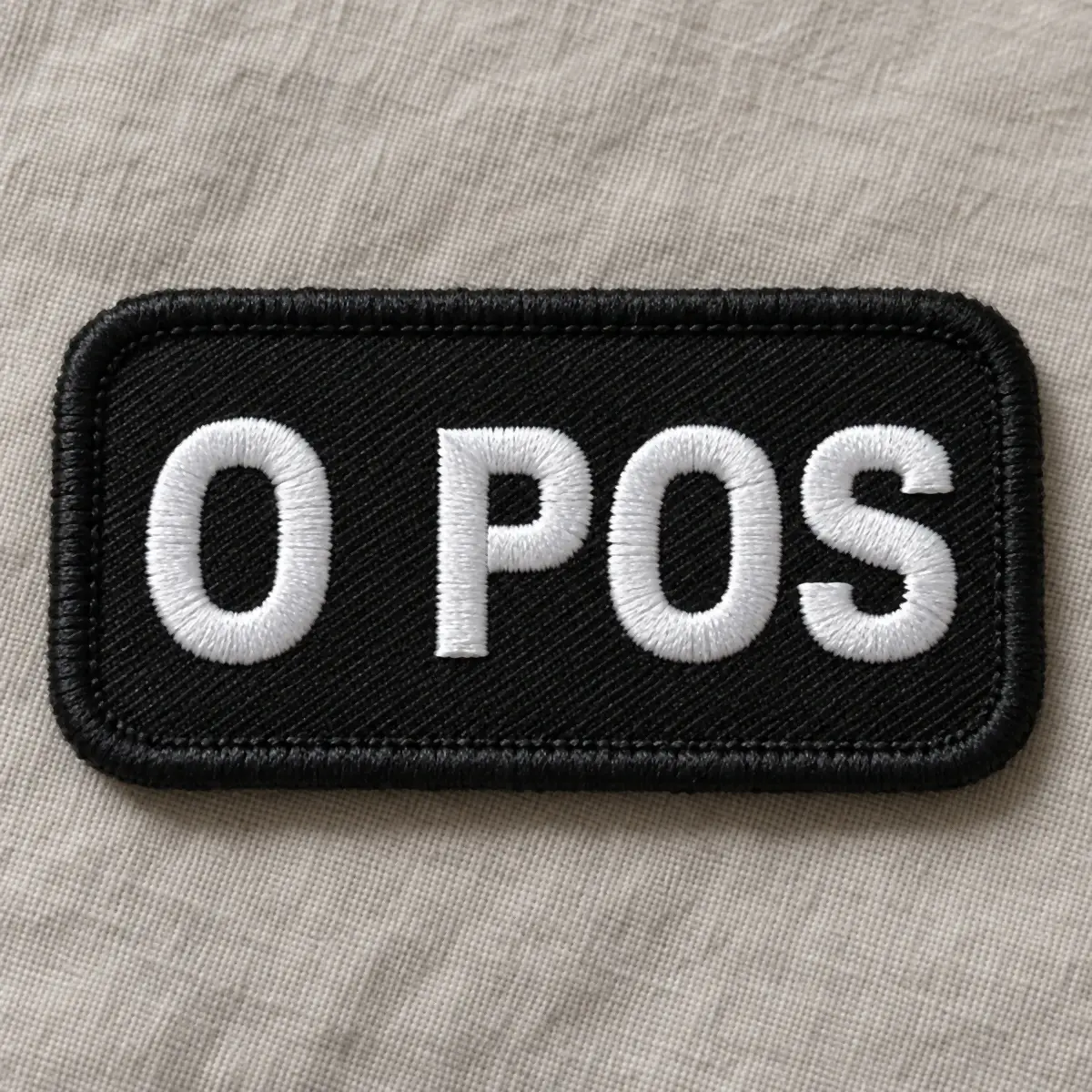
Panels naming a role or a team, and short strips carrying a blood type or a medical note, where legibility at a glance matters more than anything else on the patch. Role panels change hands more often than name panels, which is why most are hook-backed; order the full set of roles at the start so a panel added later matches. Keep medical wording to the format your team already uses and confirm every value on the proof. We reproduce exactly what the list says, and checking the information itself stays with you.
View Woven Patches page
Velcro Patches for Removable Team Markers
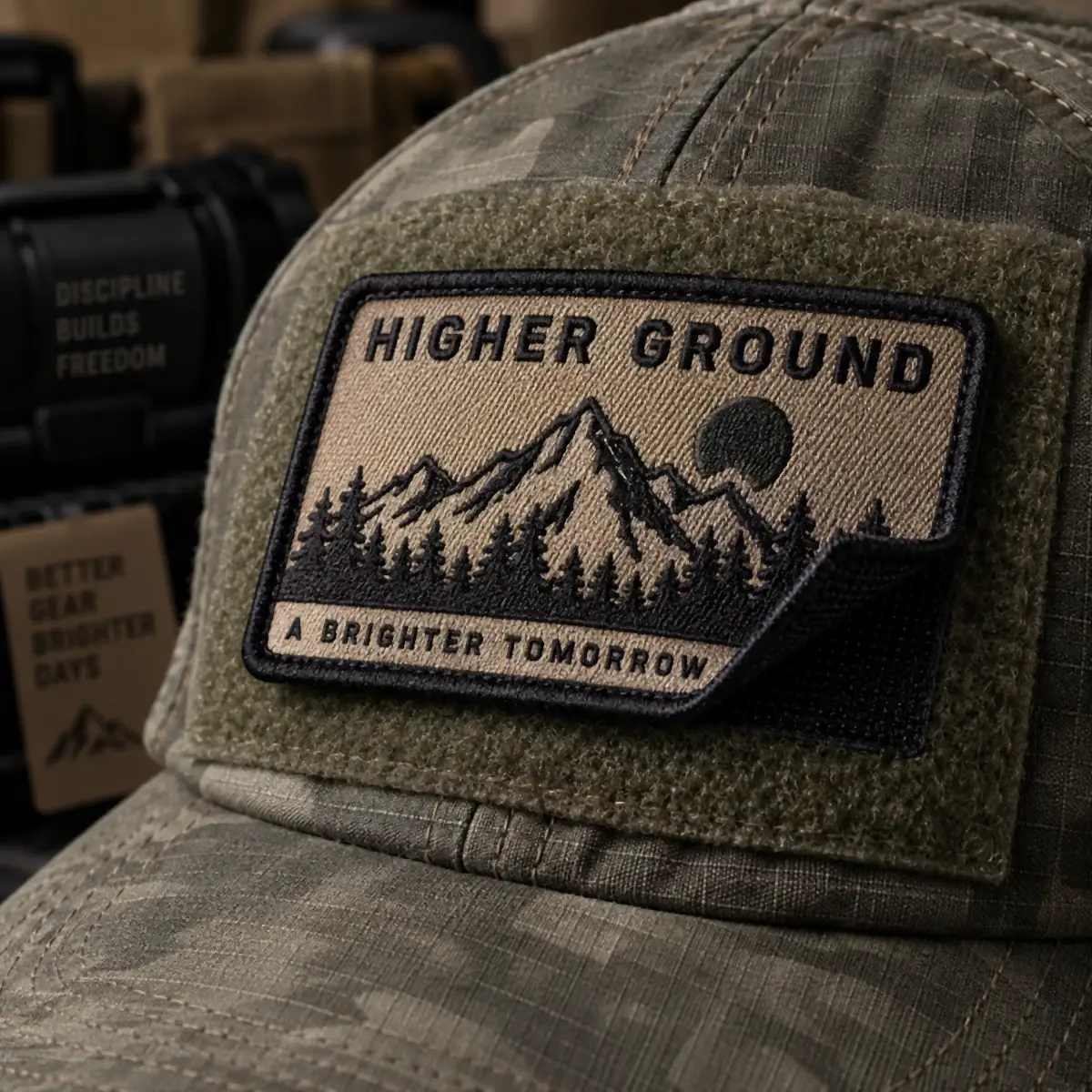
Designs made deliberately hard to read at distance, using close tonal values rather than contrast. The design problem is real: reduce contrast too far and the patch is unreadable at any distance, including by the people who need to read it. We show the tonal separation on the proof so you can judge it rather than discovering it in use.
View Velcro Patches page
Reflective Patches for Visibility Options
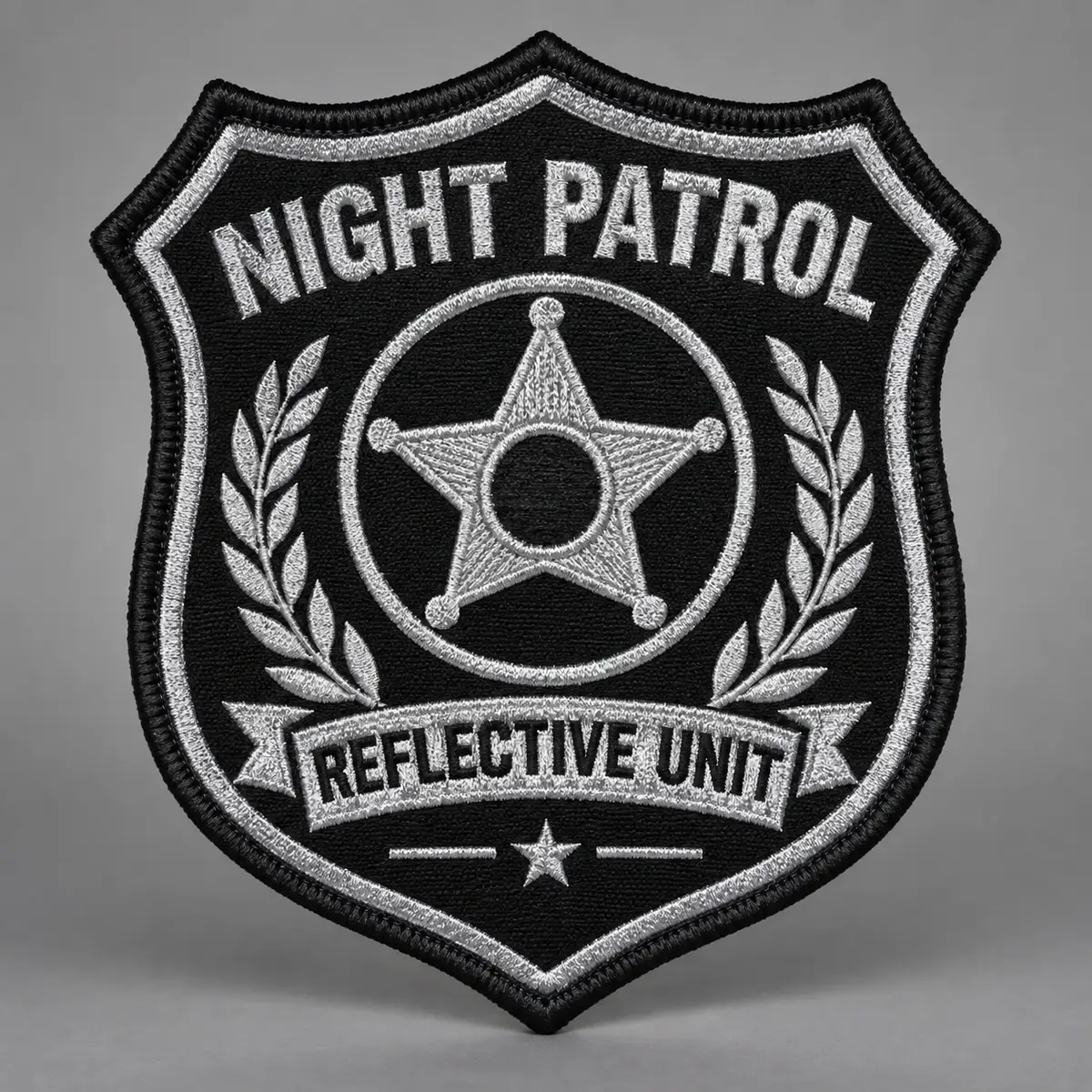
Where your requirement calls for a specific material or a stated characteristic, send the specification and we will tell you plainly whether we can meet it and what we would be supplying. We do not claim IR compatibility, reflectivity ratings or any operational performance without evidence for that specific product, and we would rather decline than imply something untested.
View Reflective Patches page
Flag Patches for Gear and Uniforms
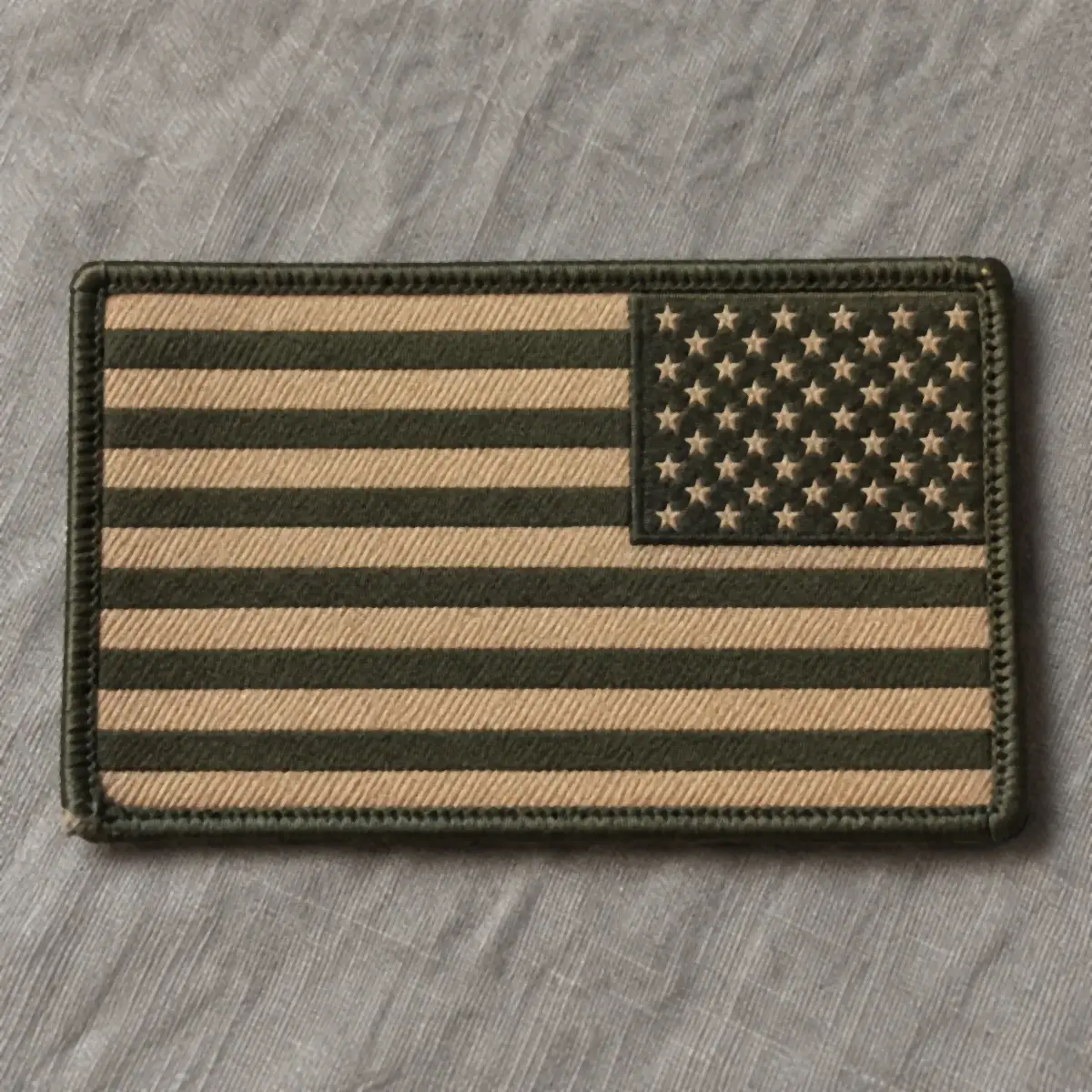
Small pieces with simple shapes and precise proportions, often ordered in both full-color and subdued versions and often the pieces that get swapped most. Orientation and proportion need specifying rather than assuming. Send them with the rest of the set so everything is proofed together and the whole loadout matches.
View Flag Patches page

2x3″
A common loadout rectangle
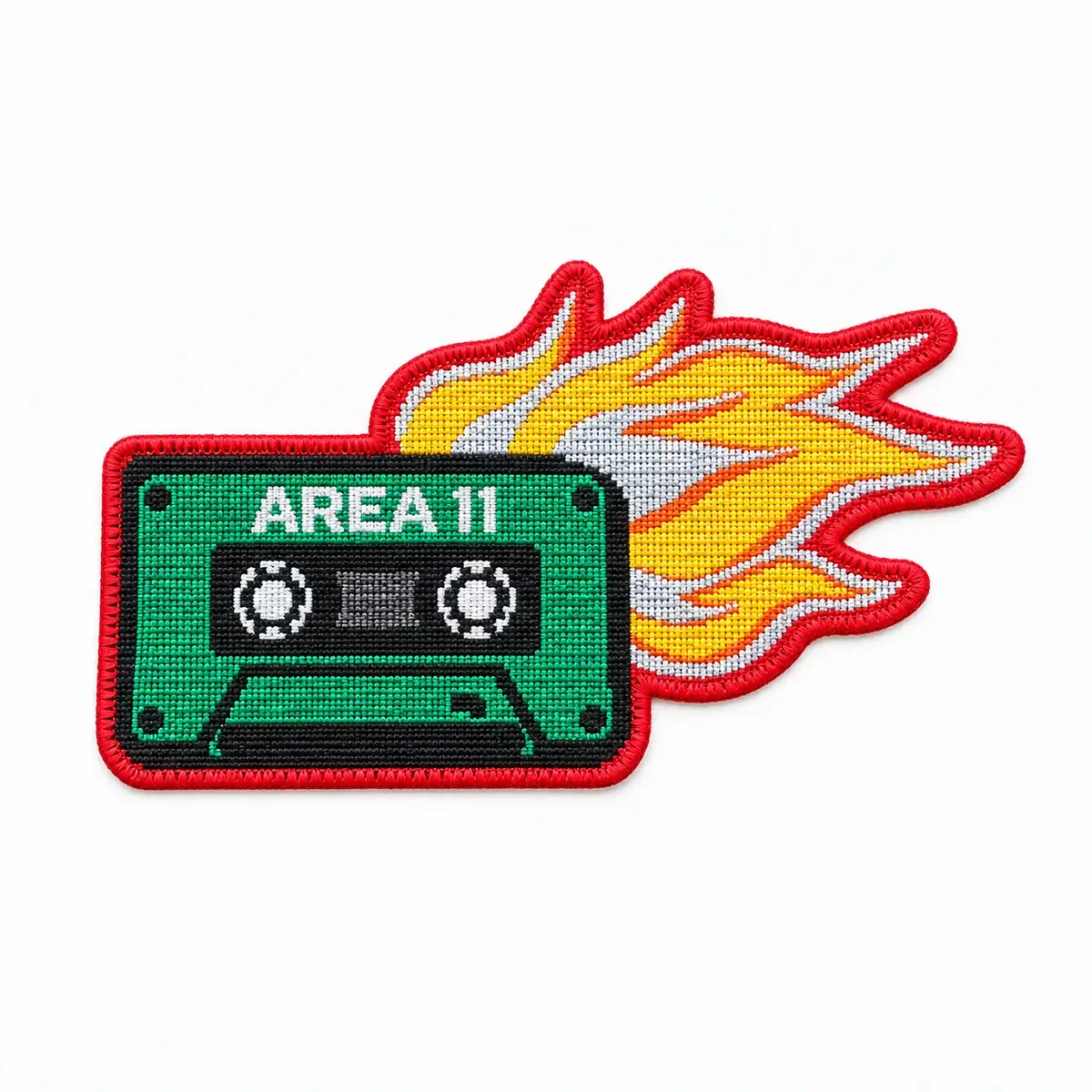
Two by three inches is a size a great many gear-field patches land on, because it suits the loop panels common on carriers and rigs. It is a reference point rather than a standard. The number that matters is the usable field on your own gear, measured on the actual product rather than taken from a catalog listing.
Measure the loop area itself, not the panel including its stitching, and allow for the patch sitting fully inside it. Then check the design at that width. A rectangle that size holds a name and a small mark comfortably and does not hold a scene, a motto and an emblem at once. We will say which case you are in at proof stage.
For a die-cut molded piece that wipes clean and sheds water, choose molded PVC patches. For a stitched piece with thread texture and detail, choose custom embroidered patches. For the backing that makes the piece swappable, choose hook-and-loop backing.
How a gear patch is planned
Three things that decide whether it works
Gear-field patches fail in a small number of predictable ways, and each one is settled on the proof rather than discovered on a carrier in the field. These are the three we work through first.
The field, measured
The loop area on your gear sets the size, not a standard. We size to the usable field rather than the panel edge to edge, because a patch cut to the full panel overhangs once it is pressed on and catches on everything.
Contrast, judged deliberately
Low-visibility designs work by reducing tonal separation, and pushed too far they become unreadable to everyone. We show the separation on the proof at the finished size so you can make that judgment for yourself.
Claims we will not make
We do not describe patches as sealed, IR-ready or rated for any operational condition without test evidence for that specific product. Send a specification and we will tell you what we can actually supply against it.
Measure the field, send the spec
Give us the usable loop field on your gear, the artwork, and any written specification you are working to. We will tell you what we can supply against it and quote it. We send a digital proof within 24 hours before anything is stitched.
What the order involves
Specifications
Everything you need to know before ordering your custom tactical patches.
- Size range
Set by the usable loop field on your gear. Around 2 by 3 inches matches many carrier fields
- Colors
Set by the construction you choose and confirmed on the proof
- Backing options
Usually hook-backed. The mating loop field is a separate item if your gear does not have one
- Color handling
Low-visibility designs are achieved by reducing tonal separation, shown on the proof at finished size for your judgment
- No minimum order
- 14–16 Days
- Standard delivery
- Free first proof
- Free US shipping
Order as few or as many as you need.
The figure the quote is written against.
One revision included. Nothing is made until you approve it.
Worldwide shipping quoted per destination.
Quality craftsmanship. Fast turnaround. Zero hidden fees.
How It Compares
vs. Molded instead of stitched
Molded PVC takes a die-cut outline, wipes clean and does not absorb water, which is why it dominates gear-field use. Embroidery gives thread texture and holds more traditional detail, and it is the better answer for pieces that also appear on garments. On a carrier that lives outdoors, molded is usually the more practical of the two.
Molded for carriers and weather. Stitched for detail and pieces that also go on garments.
vs. Morale patches
The overlap is real and the difference is intent. Morale patches are chosen and traded, and the design is the point. Tactical pieces here are identification and unit markers where legibility, or deliberate illegibility, is the point. The same construction and the same hook backing serve both, so the pages differ by what the patch is for rather than how it is made.
Use the morale page for designs chosen for their own sake. Stay here for identification on gear.
vs. Formal unit insignia
Formal insignia is governed by criteria you supply and often needs matched full-color and subdued versions across a uniform rather than a carrier. If your requirement includes that alongside gear pieces, the military page covers how the whole set is planned. This page stays with what goes on the loop field.
Stay here for gear-field pieces. Use the military page for formal insignia across a uniform.
Before you measure the field
Worth reading first
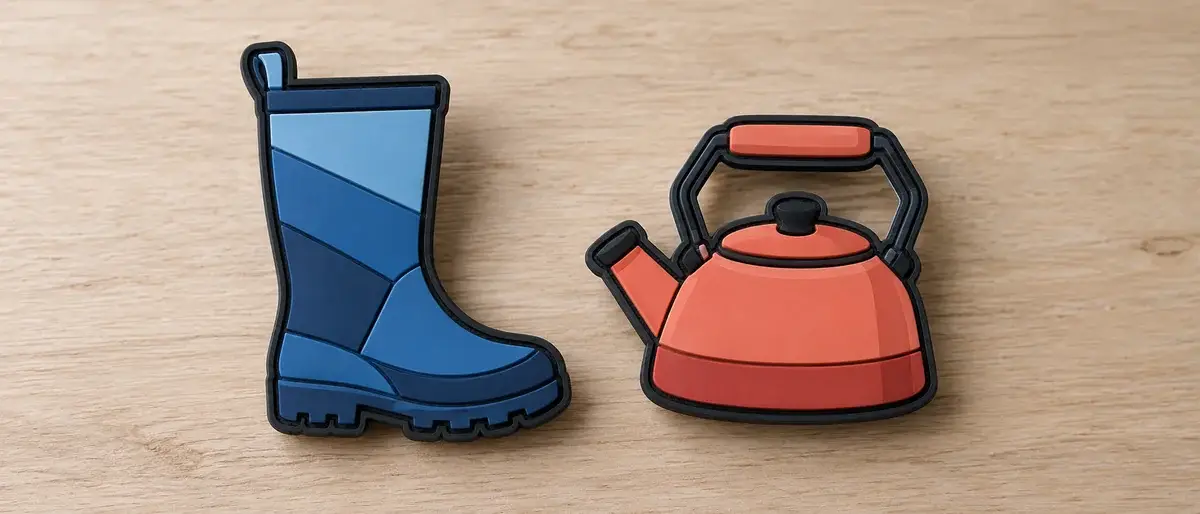
PVC, Silicone and Rubber Terms
Clears up the molded material terminology, which matters because most gear-field patches end up molded.
READ MORE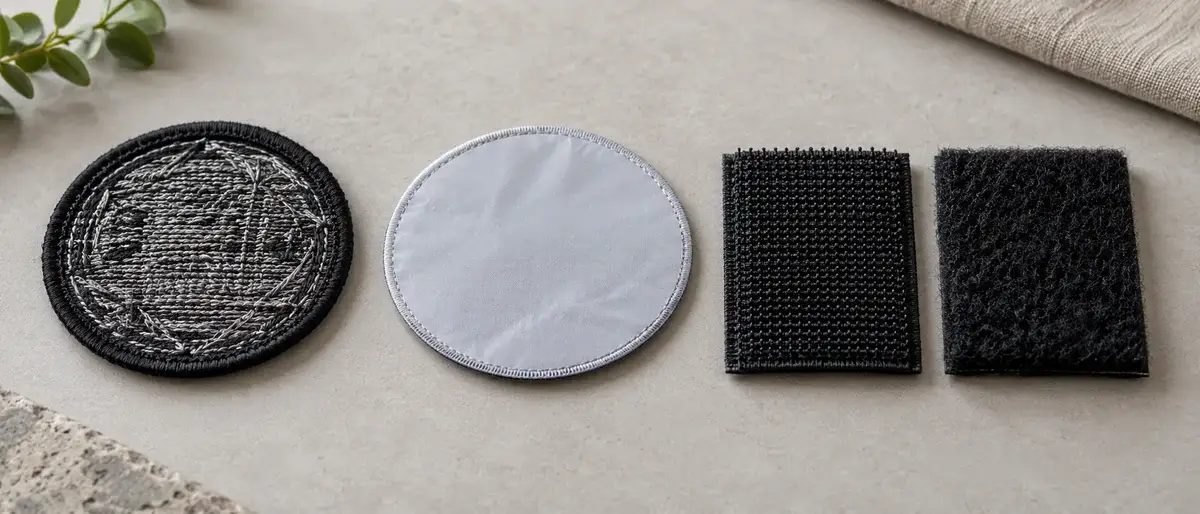
Choosing the Right Patch Backing
Attachment by method, including what a hook-backed patch needs on the gear side to actually work.
READ MORE
How to Design a Custom Patch
The artwork workflow that decides finished size, which on a fixed loop field is the tightest constraint.
READ MOREOur process
The complete order sequence
Six stages. Three need action from you. Liberty Patches handles the rest.
for a brighter
tomorrow.
Before production
Your input helps Liberty Patches get every detail right.
- You
Share the brief
Artwork in whatever state it is in, the quantity, finished size, placement and date needed. There is no minimum.
- Liberty Patches
Review construction
Liberty Patches checks the design against the construction, redraws rough artwork, and includes vector conversion or digitizing with a patch order.
- You
Confirm the quote
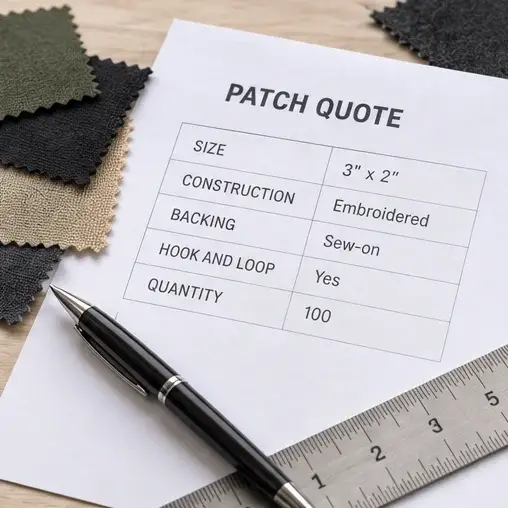
The quote confirms size, construction, backing and quantity. Valid for 14 days. A quote is a price, not a commitment.
- You
Approve the proof
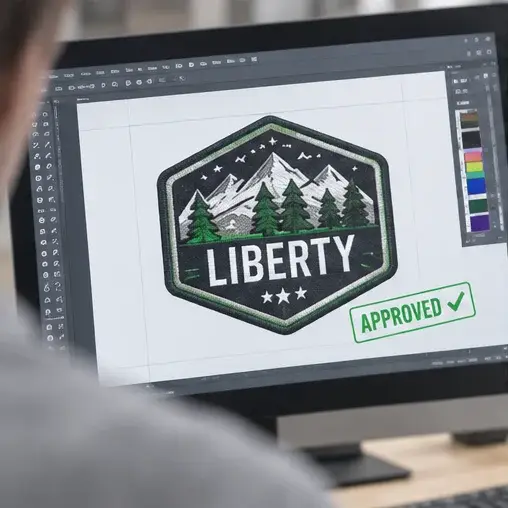
A digital proof shows size, colors, border and backing. Nothing is made before approval.
Production starts after this approval.


After approval
Liberty Patches handles the rest.
- Liberty Patches
Produce and inspect
Production follows approval and payment. The first piece is checked before the rest continues, and every piece is inspected afterward.
- Liberty Patches
Dispatch and receive
Finished patches are packed and shipped by UPS or FedEx. Tracking is sent by email or SMS where available.

