Choose the patch construction with the artwork in view
Nine constructions, and the artwork decides between them more often than taste does. Start with the visible finish, then use the material pages for the exact production limits.
- No minimum order. One patch is a real order.
- First digital proof in 24 hours, one revision included
- No setup or digitizing fees
- Rough artwork is fine. We redraw it.
Start with texture, detail, color behavior, and where the patch will be used. The quote form stays beside those decisions so the construction and artwork can be reviewed together.
Pick Your Patch Type
Materials and backings are two separate decisions. This page settles the first one, which is what the patch is made of and what that construction can hold. The backing, which is how it attaches, is chosen afterward and the options are listed further down this page. Nothing here is a best-for-everything answer, because there is not one.
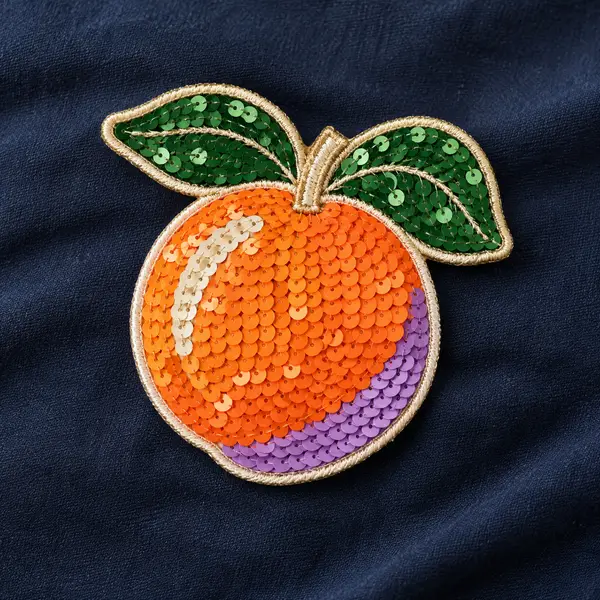 Catches the lightSequin Patches
- Stagewear, dance and celebration pieces where movement and shine are the point.
- Sequin direction and coverage drive the look more than the artwork does, and detail is limited to bold shapes with stitched work added for definition.
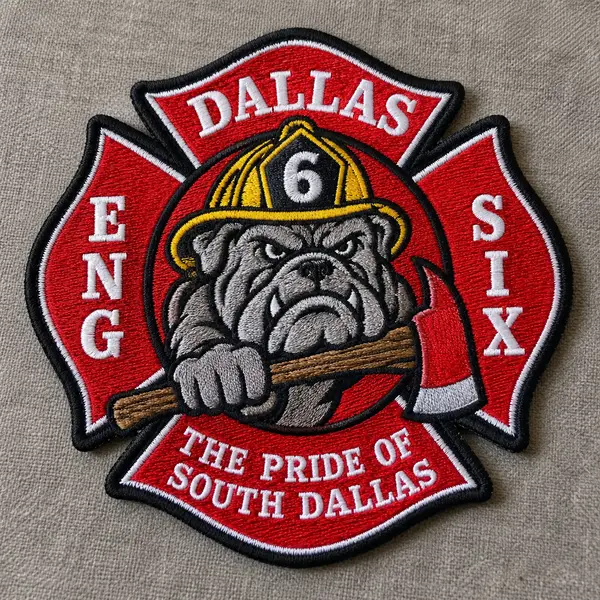 Stitched textureEmbroidered Patches
- Bold logos, uniform badges and anything that should read as a traditional patch.
- Thread has a physical width, so fine serifs, hairlines and gradients have to be redrawn before they can be sewn.
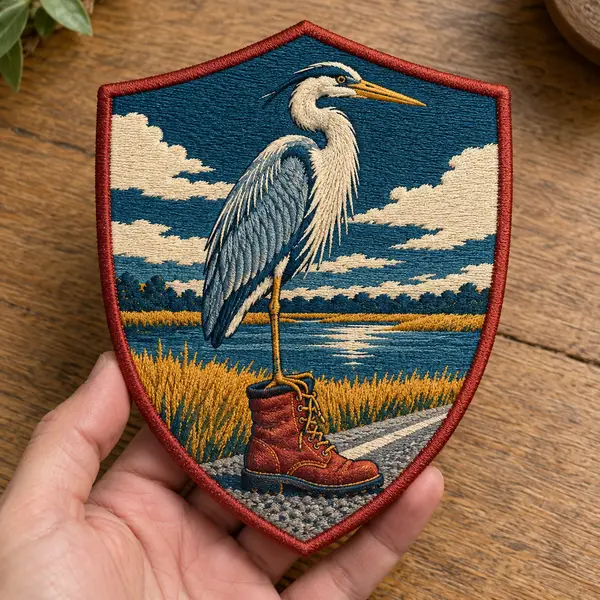 Smallest textWoven Patches
- Small lettering, department seals with rim type and crests carrying a date or a motto.
- Flat and smooth, with no raised texture, and capped at 12 colors with no gradients.
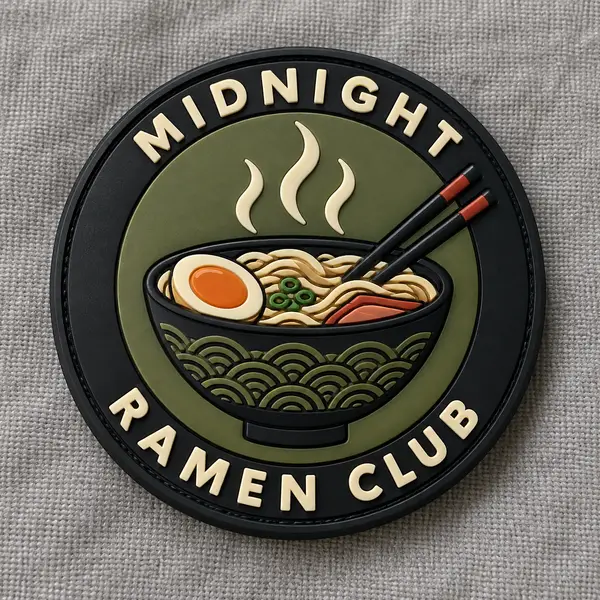 2D or 3D reliefPVC Patches
- Gear, carriers and outdoor use, and any design that needs a die-cut silhouette.
- Molded color is made of discrete areas, so gradients and photographs are not available, and the feel is rubbery rather than fabric.
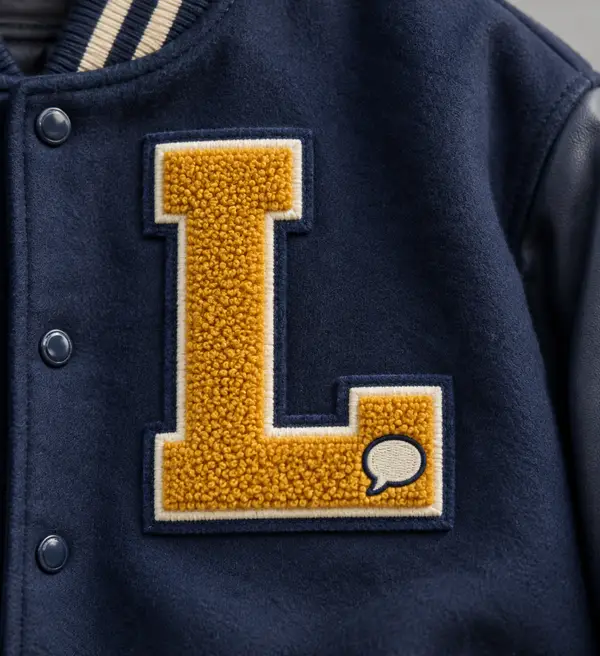 Varsity lettersChenille Patches
- Block letters, numerals and bold shapes on jackets, at around 3 inches and up.
- Loops are large, so small type and fine detail have to be embroidered over the chenille rather than looped.
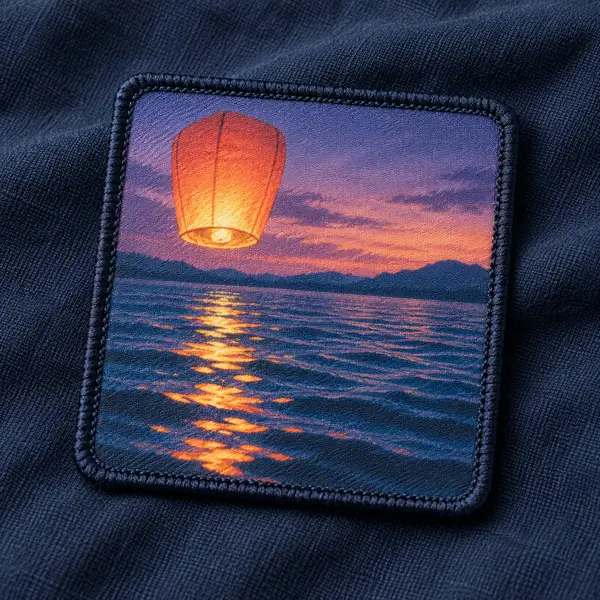 Photos and gradientsPrinted Patches
- Photographic artwork, gradients, shading and designs with a high color count.
- No thread texture and no relief, and the color is fade resistant rather than permanent.
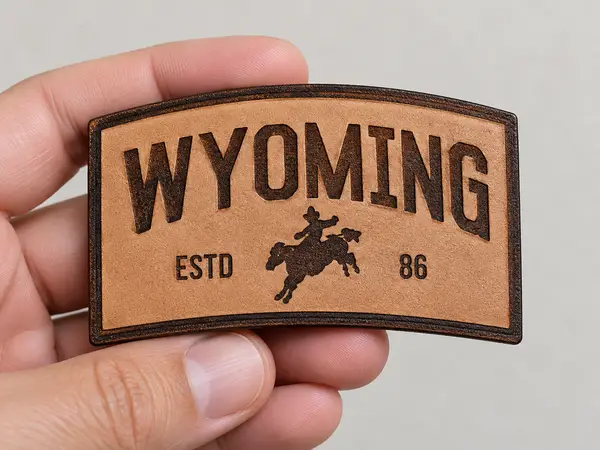 Debossed or engravedLeather Patches
- Cap fronts, jacket accents and name strips where the material is part of the look.
- Genuine hide varies in grain and tone between pieces, and leather does not take heat, so it is usually sewn.
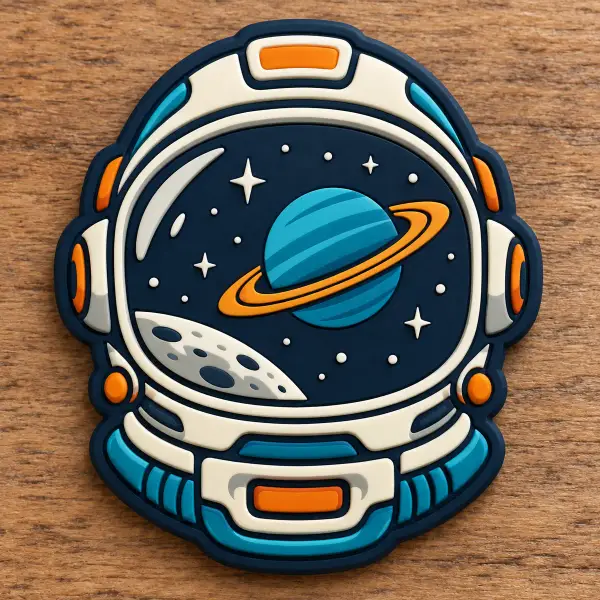 Soft and stretchySilicone Patches
- Performance and stretch fabric, where a firmer badge would fight the garment.
- Softer and thinner than PVC, so it holds less relief depth, and it is a different material rather than a PVC substitute.
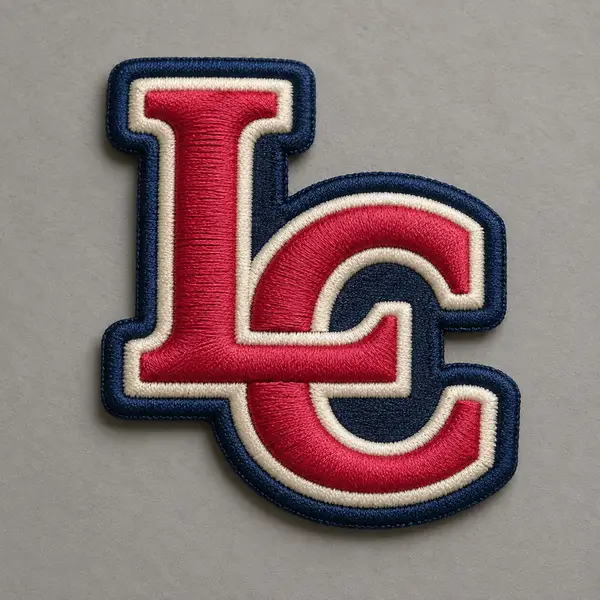 Raised lettering3D Puff Patches
- Bold raised lettering on cap fronts and streetwear, at a standard 3 mm raise.
- Foam supports weight, not detail, so letters need roughly 10 mm of height and fine elements have to sit flat alongside.
The material decides how the patch looks. The backing decides how it goes on, how easily it comes off, and what it can be applied to. That choice is next.
How it attaches
Backing Options
The backing decides how the patch goes on, how easily it comes off, and what it can be applied to. Every one below has a page of its own.
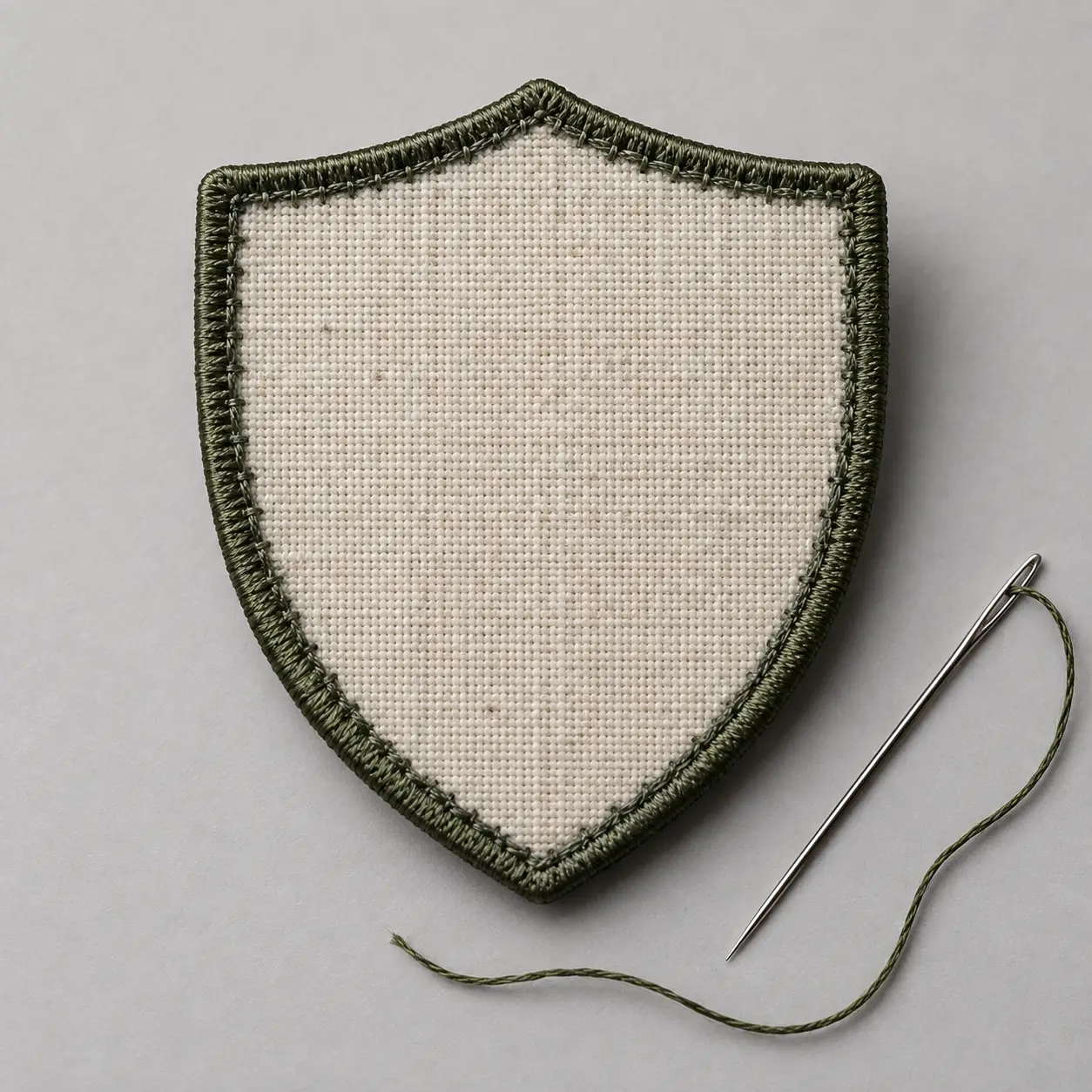
Sew-on
Stitched through the edge
Stitched through the patch edge into the garment.
See sew-on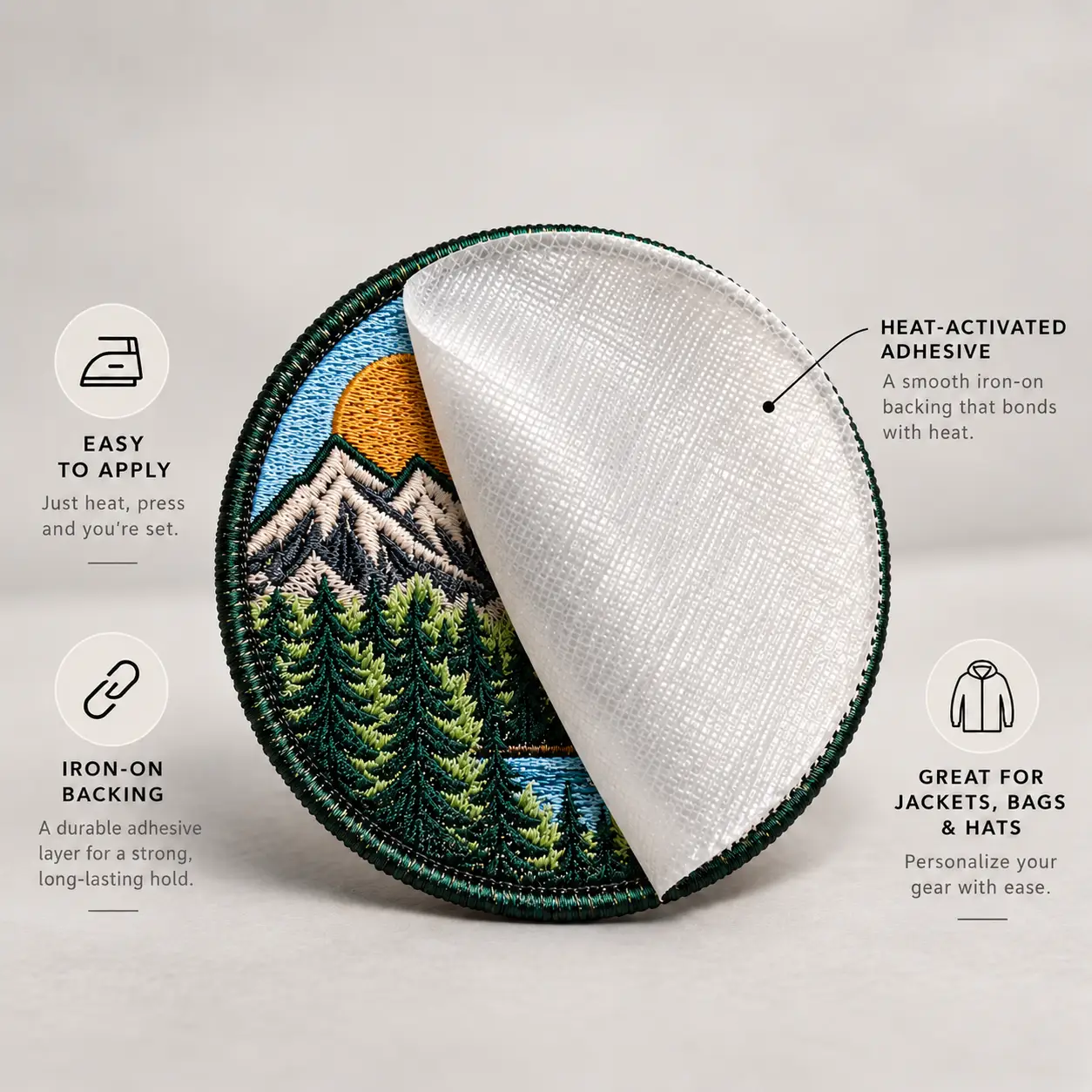
Iron-on
Heat-activated adhesive film
A heat-activated adhesive film on the back of the patch.
See iron-on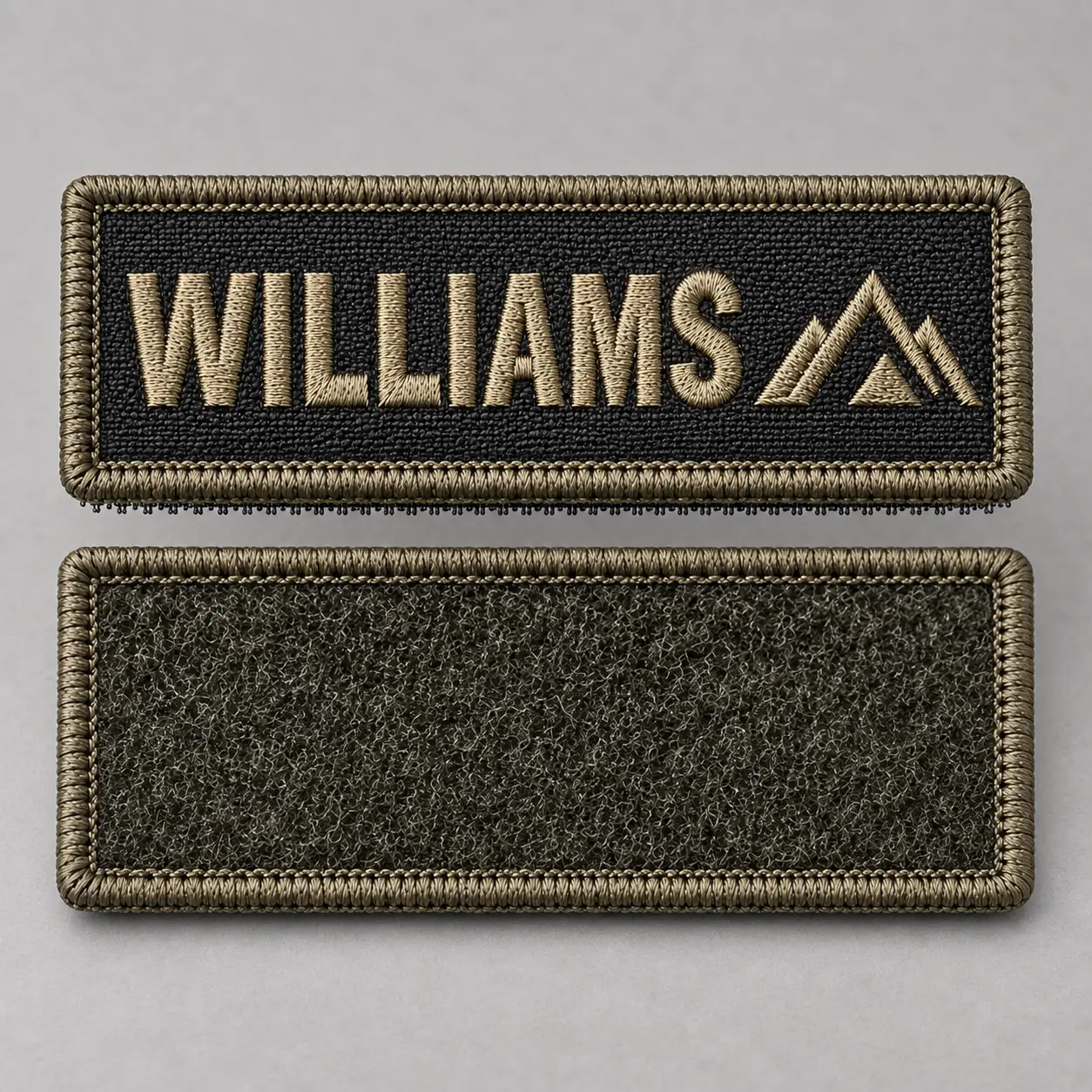
Hook-and-loop
Hook face, mating loop field
A hook face on the patch that mates with a loop field.
See hook-and-loop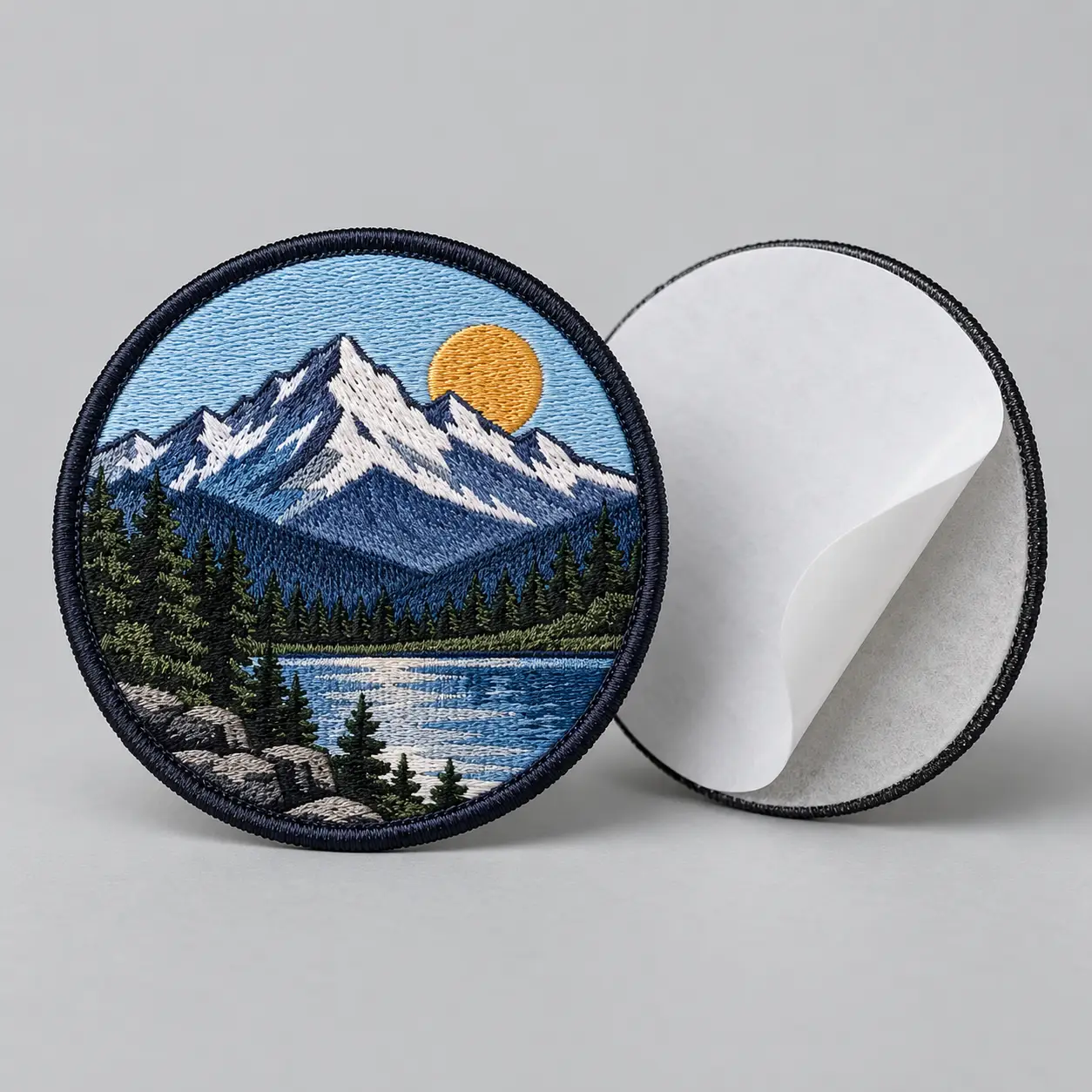
Adhesive
Pressure-sensitive layer
A pressure-sensitive layer, peeled and pressed by hand.
See adhesive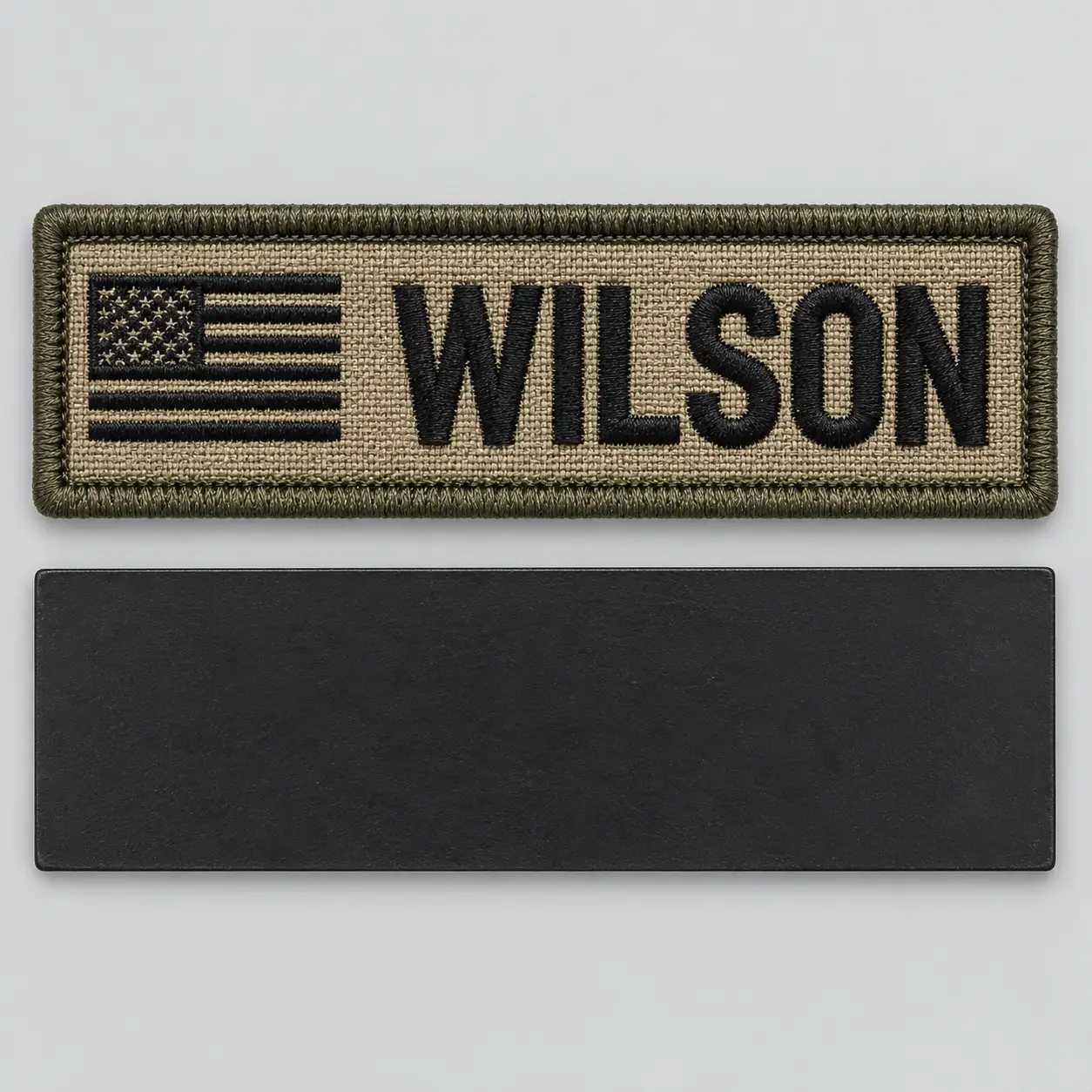
Magnetic
Paired magnets
A magnet on the patch paired with a magnet behind the fabric.
See magnetic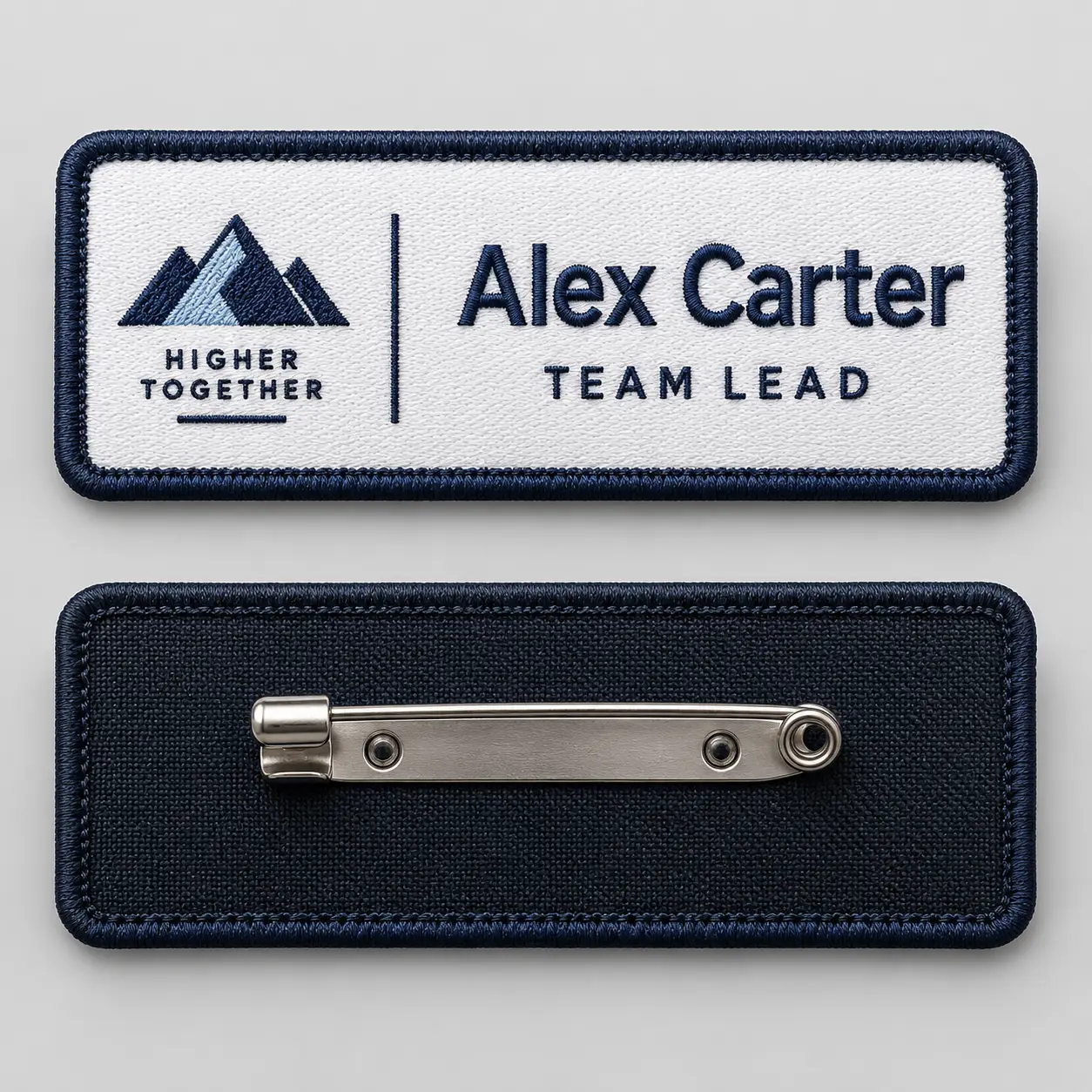
Pin back
Pin hardware on the reverse
Pin hardware fixed to the back of the patch.
See pin back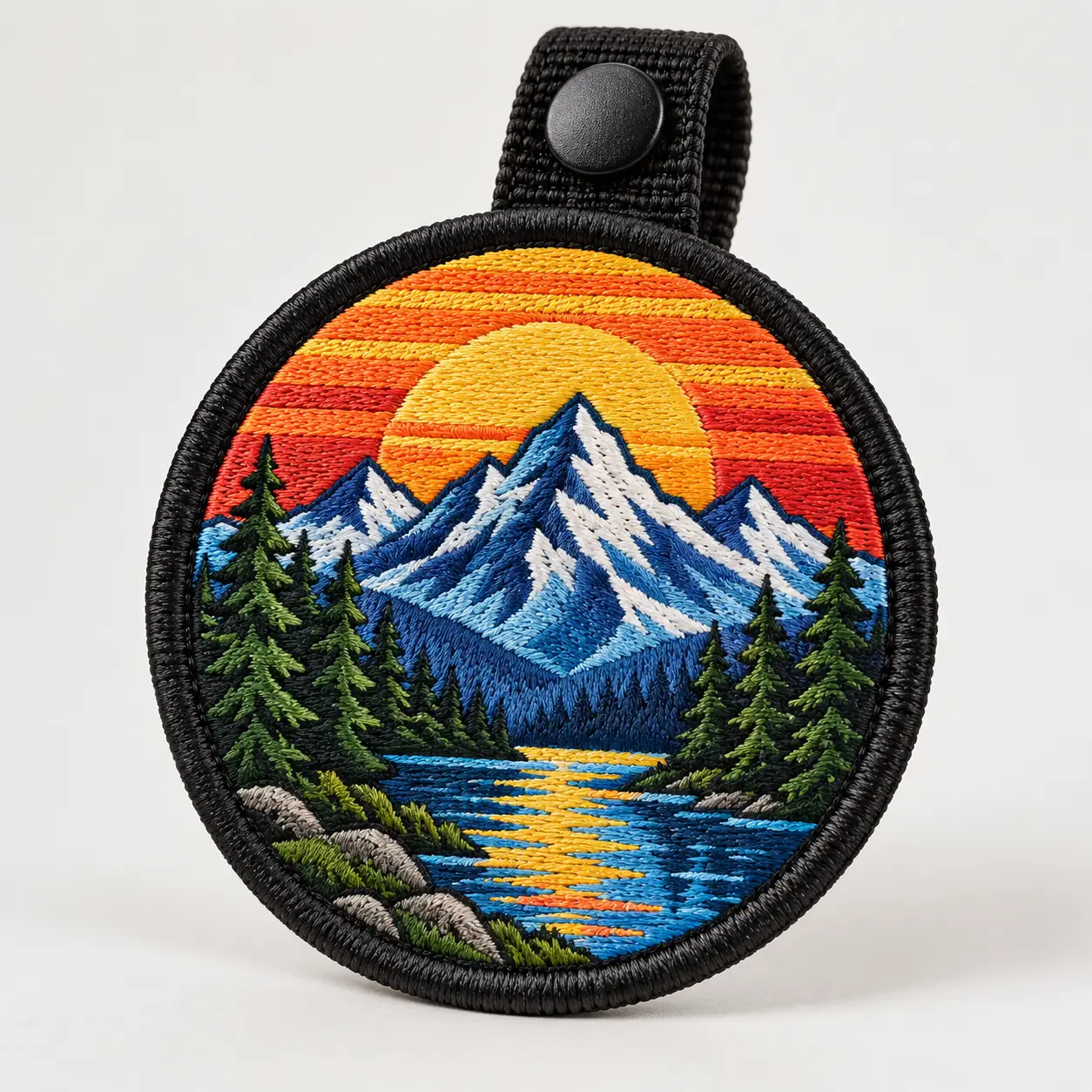
Button loop
Fabric hanging loop
A fabric loop that hangs the patch from an existing button.
See button loop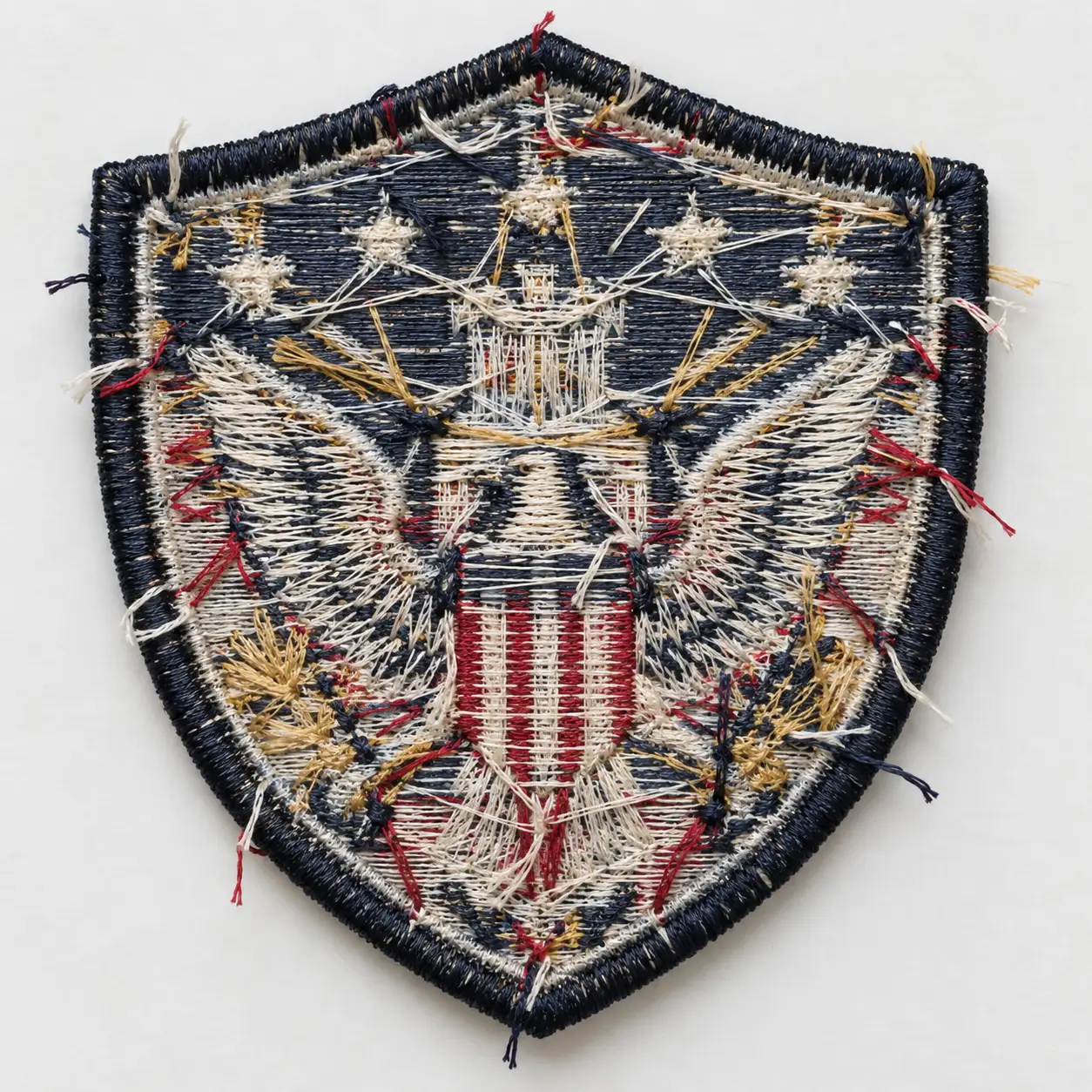
No backing
Untreated reverse
A finished patch with an untreated reverse.
See no backingCompare Every Patch Type
The cards above lead the decision. These two tables carry the same information as a lookup: the first matches a requirement to a construction, the second sets out what each one holds. Neither states a maximum size, because the finished dimensions are confirmed against your actual garment at proof stage.
| If your design | Use | Because |
|---|---|---|
| Small lettering that has to stay readable | Woven | Fine flat threads hold text down to around 2 mm where the letterform allows it, which is where embroidery starts closing up. |
| A photograph, a gradient or real shading | Printed | Dye sublimation puts tone into the fabric, and it is the only construction we make that reproduces a photograph. |
| A patch that lives outdoors or gets wet | PVC | Molded PVC has no thread or woven base to absorb water, so it handles wet conditions better than any fabric patch. |
| The classic stitched patch look | Embroidered | Visible thread on twill is what most people picture when they say patch, and it suits bold logos and uniform badges. |
| Block letters for a jacket | Chenille | Looped yarn gives varsity letters their depth, with embroidery added over it for any detail that has to stay crisp. |
| A badge on a cap front | Leather | Debossed or engraved hide sits flat against the panel and the material carries the design without added color. |
| Decoration on stretch or performance fabric | Silicone | Soft molded silicone flexes with the garment where a stiffer badge would pull against it. |
| Raised lettering with real presence | 3D Puff | Foam under the stitching lifts the letters, at a standard 3 mm raise and around 10 mm minimum letter height. |
| Shine and movement on stagewear | Sequin | Sequin coverage over a stitched base catches light in a way no flat construction does. |
| Material | Detail limit | Colors included | Finished size |
|---|---|---|---|
| Embroidered | Set by the artwork and confirmed on the proof | Set by the artwork and confirmed on the proof | Small name strips and full back panels are both made here |
| Chenille | Detail is embroidered on top of the loops | Up to nine | Around 3 in and up. Large jacket-back lettering included |
| PVC | Molded relief, reviewed at finished size | Up to 12 | Set by your artwork and confirmed on the proof |
| Woven | About 2 mm text, where the letterform allows it | Up to 12 | Set by your artwork and confirmed on the proof |
| Leather | Varies by marking method | Six core colors in genuine leather | Set by your artwork and confirmed on the proof |
| Printed | Limited by print resolution at finished size | No practical color limit | Set by your artwork and confirmed on the proof |
| 3D puff | Around 10 mm minimum letter height | Set by the artwork and confirmed on the proof | Set by your artwork and the panel it sits on |
| Sequin | Stitched detail reviewed at finished size | Set by the design and confirmed on the proof | Set by your artwork and the garment |
| Silicone | Varies by relief depth | Up to 12 | Set by your artwork and confirmed on the proof |