How to Care for Custom Patches
The garment sets the rules and the patch adds a few. Care organized by what the patch is made of and how it is attached, rather than one instruction for everything.
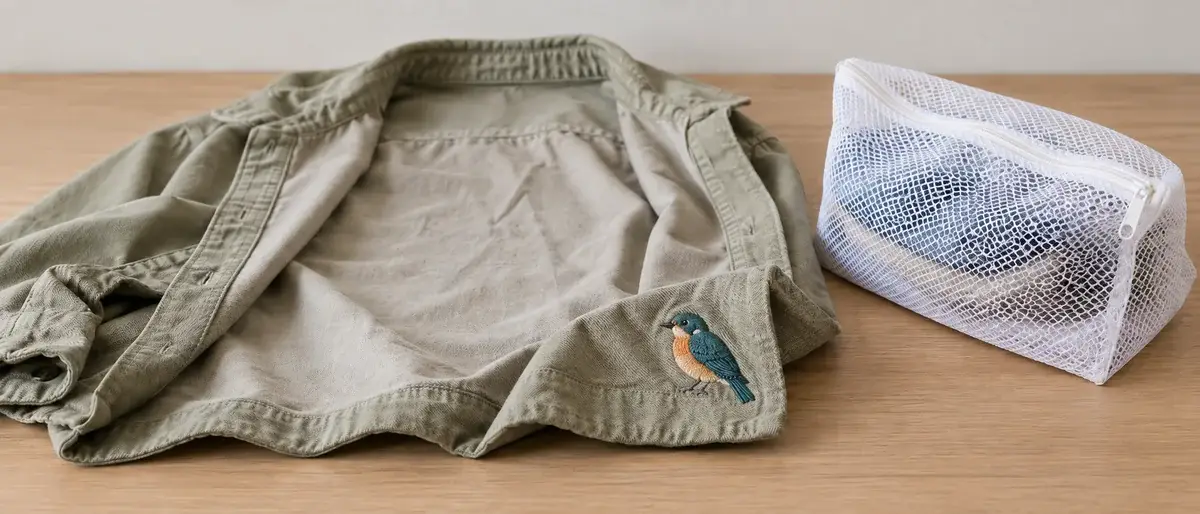
AT A GLANCE: KEY TAKEAWAYS
- After heat application, wait 48 hours before the first wash.
- Then: cold, gentle, inside out where the garment allows, and air dry or tumble low.
- The garment's own care instructions come first. The patch adds constraints, it does not replace them.
- Attachment matters as much as construction. A pressed edge and a stitched edge behave differently in a wash.
- Nothing here is a certification, and no supplier can promise commercial laundry performance in the abstract.
Two rules cover most of this. The garment's own care instructions come first, and the patch adds constraints on top of them rather than replacing them. If your jacket says cold wash, a patch does not make it warm-wash safe.
The rest is detail by construction and by attachment, and the attachment turns out to matter more than most people expect.
Immediately after application
If a patch has been applied with heat, wait 48 hours before the first wash. The adhesive needs that time to finish setting, and washing early is the single most common reason an iron-on lifts at a corner in its first month.
If a patch has been sewn on, there is no wait. Stitching is done the moment the thread is tied off.
The default routine
For almost any patched garment, this is the sequence that causes the fewest problems:
- Cold water. Heat is what softens adhesive and relaxes fibers. Cold avoids both.
- Gentle cycle. Agitation is what catches edges and works them loose.
- Inside out, where the garment allows it. This puts the patch against the fabric rather than against the drum and everything else in the load.
- Air dry, or tumble on low. A hot dryer is harder on a patch than a wash is, because it combines heat with tumbling.
- Iron around the patch, not over it. If you must press near it, use a cloth between the iron and the patch.
None of this is exotic. It is the same routine that extends the life of the garment.
By attachment
Heat-applied. The most sensitive to washing, because the bond is what you are protecting. After the 48-hour wait, follow the routine above and expect edges to be the first thing to show wear. If a corner lifts, do not reheat it repeatedly: that degrades the adhesive and can scorch fabric. Stitching the edge is the reliable fix.
Sewn. The most robust attachment, and largely indifferent to washing. What can happen over years is thread wear at the edge, which is repairable in a way a failed adhesive bond is not.
Pressed and then stitched. The most durable combination, and worth naming separately because it behaves better than either method alone. The adhesive holds the patch flat and the stitching takes the mechanical stress.
Hook-and-loop. Take the patch off before washing the garment. A hook face in a wash load will catch on everything, including the garment it came from. Wash the loop field with the garment. If the hook face has collected lint and thread over time, picking the debris out restores much of the grip.
Adhesive. Not designed to survive laundering at all. Remove before washing, and expect to reapply or replace.
Magnetic, pin and loop. Remove all three before washing. This is the practical advantage of removable attachments: the patch never goes through the machine.
By construction
Embroidered. Robust. The main risk is edge wear on a merrow border over many cycles, and thread catching on fasteners. Inside out solves most of it.
Woven. Flat and thin, so there is less standing proud of the garment to catch. This is a genuine advantage in a wash, though it is not a laundry certification and we do not present it as one.
PVC and silicone. No thread and no woven base to absorb water. Wipe clean rather than scrub. Molded patches handle wet conditions well, which is why gear buyers choose them, but that is a material property rather than a rated performance claim.
Printed. The dye is sublimated into the fabric rather than sitting on it, which makes it fade resistant. Fade resistant is not fade proof, and we do not describe it as permanent. Sustained sunlight and repeated washing affect any printed textile.
Chenille. The pile is the thing to protect. Cold, gentle, inside out, and air dry. Do not scrub the pile, and do not tumble a chenille piece on heat. These are usually on jackets that are cleaned rarely, which suits them.
Leather. Treat the leather as the limiting factor and follow whatever the garment and the leather need. Do not press it, do not soak it, and if the garment is valuable, get advice specific to the hide rather than following a general patch guide.
Sequin. The delicate case. Cold, gentle, inside out, air dry, and expect it to need more care than anything else on this list. Costume and stagewear are usually cleaned accordingly.
What a guide cannot tell you
Commercial laundering. Industrial processes use higher temperatures, stronger chemicals and more aggressive agitation than a domestic machine. Performance depends on the specific process, and no supplier can honestly promise it in the abstract. If your garments go through a commercial service, describe the process and get an answer for your case.
How long it will last. Too many variables: the garment, the attachment, the frequency, the process and how the item is worn between washes.
Whether your particular garment is fine. The garment's own instructions govern, and they were written by someone who knew what it was made of.
If something has gone wrong
If a patch is defective, or the material does not match the proof you approved, that is a production issue rather than a care issue. Defects and material mismatches against the approved proof are remade, and if it cannot be resolved you get a refund. Wear over years of use is a different thing, and stitching a lifting edge is usually the practical fix.
Frequently Asked Questions
How long should I wait before washing a new iron-on patch?
What is the safest way to wash a patched garment?
Should I remove a hook-and-loop patch before washing?
Will my patches survive commercial laundering?
A corner of my iron-on patch has lifted. What should I do?
How do I clean a leather patch?
Latest Articles
View All Articles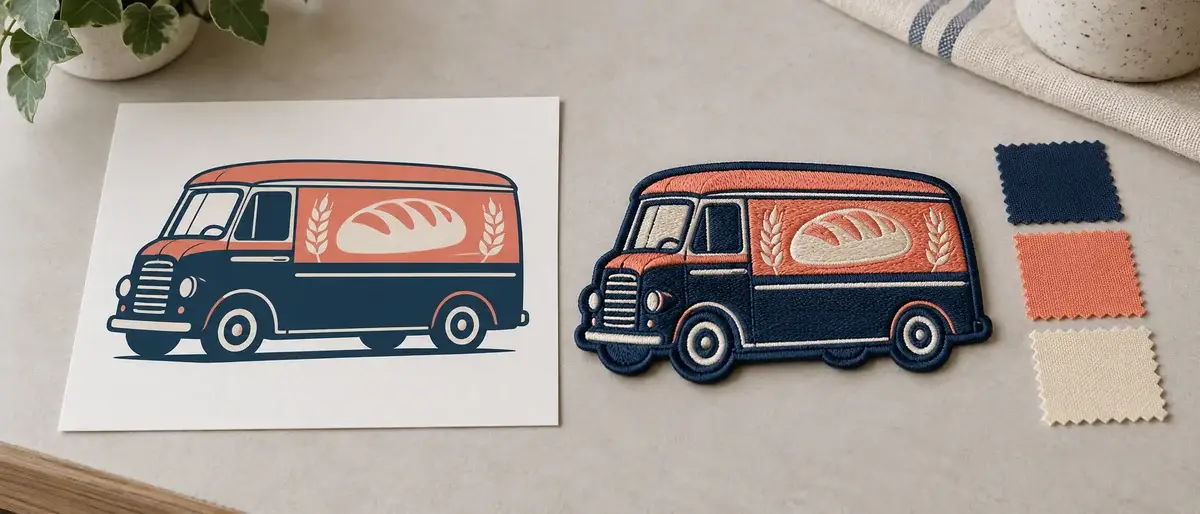
How Embroidered Patches Are Made
Six stages between a logo and a finished patch. Most of the decisions that determine how it looks are made before a single stitch goes down.
READ MORE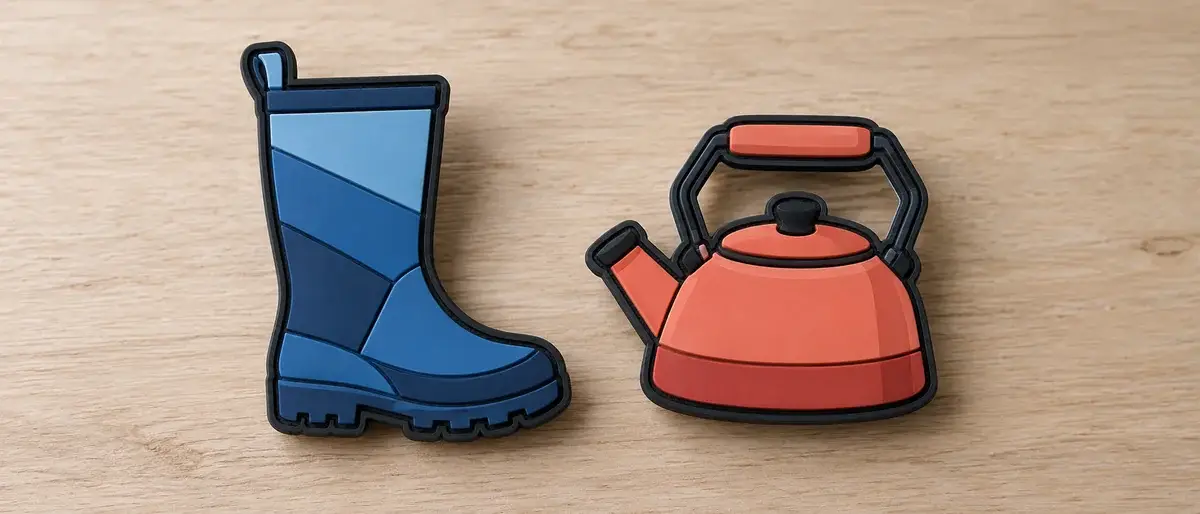
PVC, Silicone and Rubber Terms
Three words, two materials, and a lot of confusion. What people mean when they say rubber patch, and why the distinction matters once you are ordering.
READ MORE
How to Design a Custom Patch
Most patch designs go wrong in the same order. Here is the sequence that avoids it, starting with the one decision everything else depends on.
READ MORE