PVC, Silicone and Rubber Terms
Three words, two materials, and a lot of confusion. What people mean when they say rubber patch, and why the distinction matters once you are ordering.
AT A GLANCE: KEY TAKEAWAYS
- When someone says rubber patch, they almost always mean a molded PVC patch.
- PVC and silicone are genuinely different materials, not two grades of one thing.
- Natural rubber is a real material and it is not what we produce. We do not describe our patches as rubber.
- Choose PVC for depth and definition, silicone for softness, thinness and stretch fabric.
- Both are molded, so both are limited by what a mold can form and release.
Search for rubber patches and you will find pages about PVC patches. Ask a supplier for a rubber patch and you will probably be quoted for PVC. Neither of those is dishonest, exactly, but it does leave buyers unsure whether they are comparing like with like.
Here is the short version. Rubber patch is common usage rather than a material description. What people mean by it is almost always a molded PVC patch. Silicone is a third thing, genuinely different from PVC, and worth knowing about because it solves a problem PVC does not.
What each word actually refers to
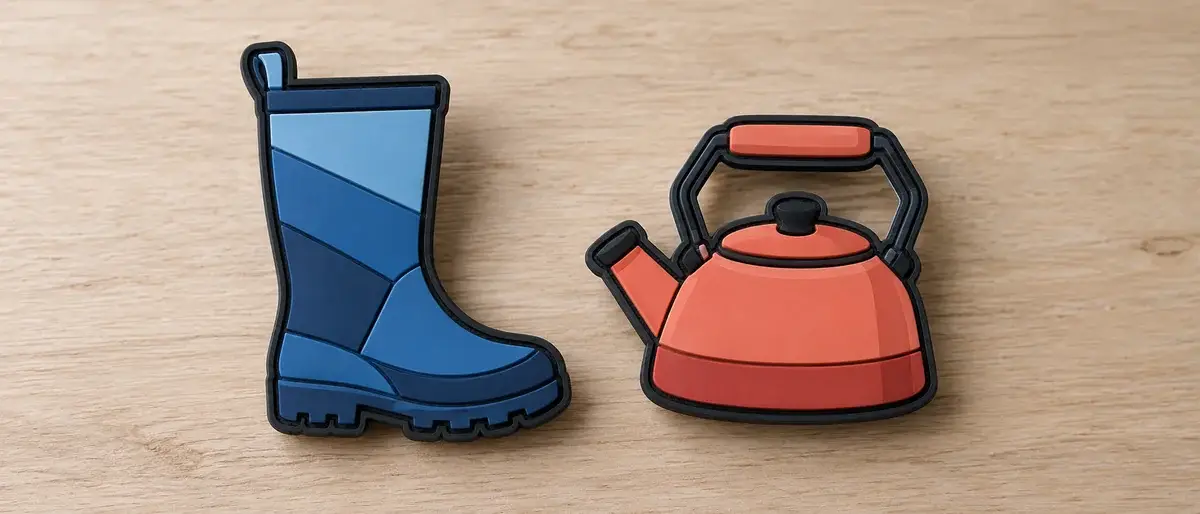
PVC is a specific plastic. Molded PVC patches are formed in a mold made from your approved artwork, which is why they can take a die-cut silhouette with no border at all. They feel soft and slightly rubbery in the hand, which is exactly why people reach for the word rubber.
Silicone is a different compound. Silicone patches are also molded, but the material is softer, thinner and stretchier. That flexibility is the whole reason to choose it: on performance fabric and stretch panels, a firmer badge fights the way the garment moves and a silicone one does not.
Natural rubber is a real material derived from latex, and it is not what we produce. We do not describe our patches as rubber, and if a supplier tells you their rubber patches are natural rubber, that is worth confirming rather than assuming.
Why the confusion persists
Three reasons, none of them sinister.
The feel is genuinely rubber-like. Hand someone a molded PVC patch with no context and rubber is a reasonable guess.
The search behavior came first. Buyers searched for rubber patches, suppliers wanted to be found, and the term stuck as a category name rather than a material name.
The difference does not matter until it does. For most orders, whether you call it PVC or rubber changes nothing about what arrives. It starts mattering when a specification names a material, when a procurement requirement asks what something is made of, or when you are comparing two quotes that used different words for the same thing.
PVC or silicone: the decision that does matter
This is the comparison worth spending time on, because these are two different materials and one is not a substitute for the other.
PVC holds more relief. Sculpted 3D work with defined contours, the look most morale and tactical patches are after, comes from PVC. A 2D patch is built in flat stepped layers from a minimum thickness of about 2 mm; a 3D one is sculpted with rounded contours from about 3 mm.
Silicone is softer, thinner and stretchier. It carries three relief levels, so there is real dimension available, just less of it. What it buys you is a badge that flexes with the garment instead of resisting it.
The garment usually decides before the artwork does. A carrier, a pack or a jacket can take a firmer badge. A stretch panel on athletic wear cannot, or rather it can but it will pull and pucker.
Both carry up to 12 colors, and both are limited by what a mold can form and release: line work down to about 0.6 mm and text around 2.5 mm are workable where the artwork is drawn for it. Neither reproduces a gradient, because color in a mold is made of discrete areas with physical boundaries.
What molding gives you that thread does not
Whichever of the two you pick, the molded family has advantages worth naming:
The outline is the design. Because the shape comes from the mold rather than from a border applied afterward, a molded patch can be any silhouette. On a board of rectangular patches, a die-cut shape stands out.
No fabric to absorb water. There is no thread and no woven base, which is why gear buyers reach for molded patches. That is a property of the material rather than a rating, and we do not publish a waterproof or UV figure for any patch.
It wipes clean. A smooth molded surface does not hold dirt the way a textured stitched one does.
Molds are retained for 24 months. A repeat run of the same design does not start from scratch, which matters if you expect to reorder.
What thread gives you that molding does not
For balance, because this article should not read as a sales pitch for molding:
Fine detail. Woven holds lettering down to around 2 mm where the letterform allows, well below what a mold reliably forms.
Texture. Embroidery has a physical surface you can feel, and a slight relief from the stitching itself. Some designs want that and molding cannot imitate it.
A cloth look on a garment. A stitched patch sits naturally on fabric in a way a molded one does not always.
Which term to use when you order
Say what you want it to do and let the supplier name the material. "A molded patch with a die-cut outline for a plate carrier" gets you a better quote than "a rubber patch", because it describes the requirement rather than a category.
If you have a written specification that names a material, send it, and get a plain answer about what will actually be supplied against it. If a supplier is vague about which compound they are using, that is worth pressing on.
Frequently Asked Questions
Are PVC patches and rubber patches the same thing?
What is the difference between PVC and silicone patches?
Do you make natural rubber patches?
Are molded patches waterproof?
Can a molded patch have a gradient?
Latest Articles
View All Articles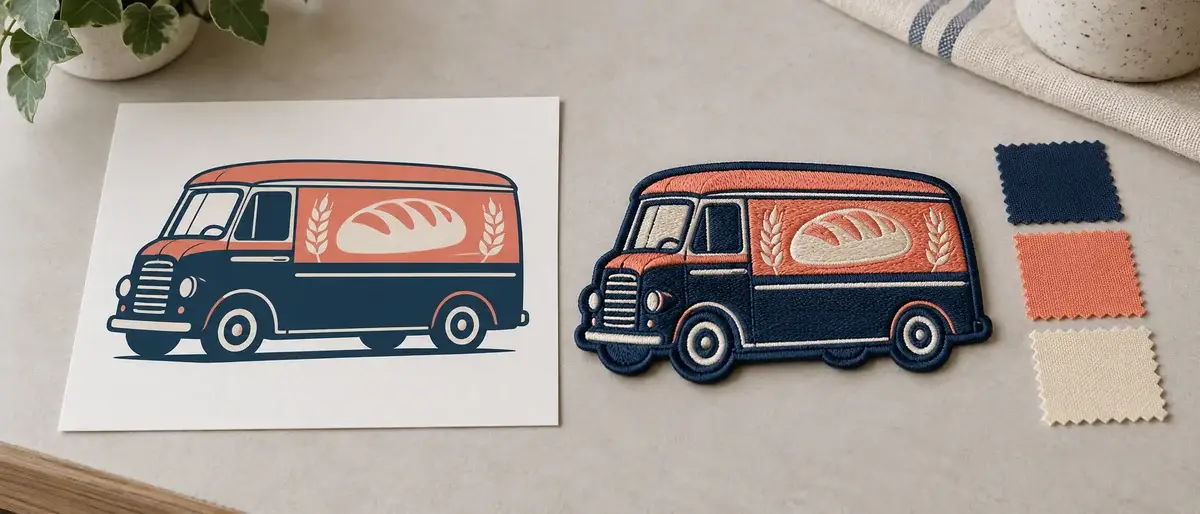
How Embroidered Patches Are Made
Six stages between a logo and a finished patch. Most of the decisions that determine how it looks are made before a single stitch goes down.
READ MORE
How to Design a Custom Patch
Most patch designs go wrong in the same order. Here is the sequence that avoids it, starting with the one decision everything else depends on.
READ MORE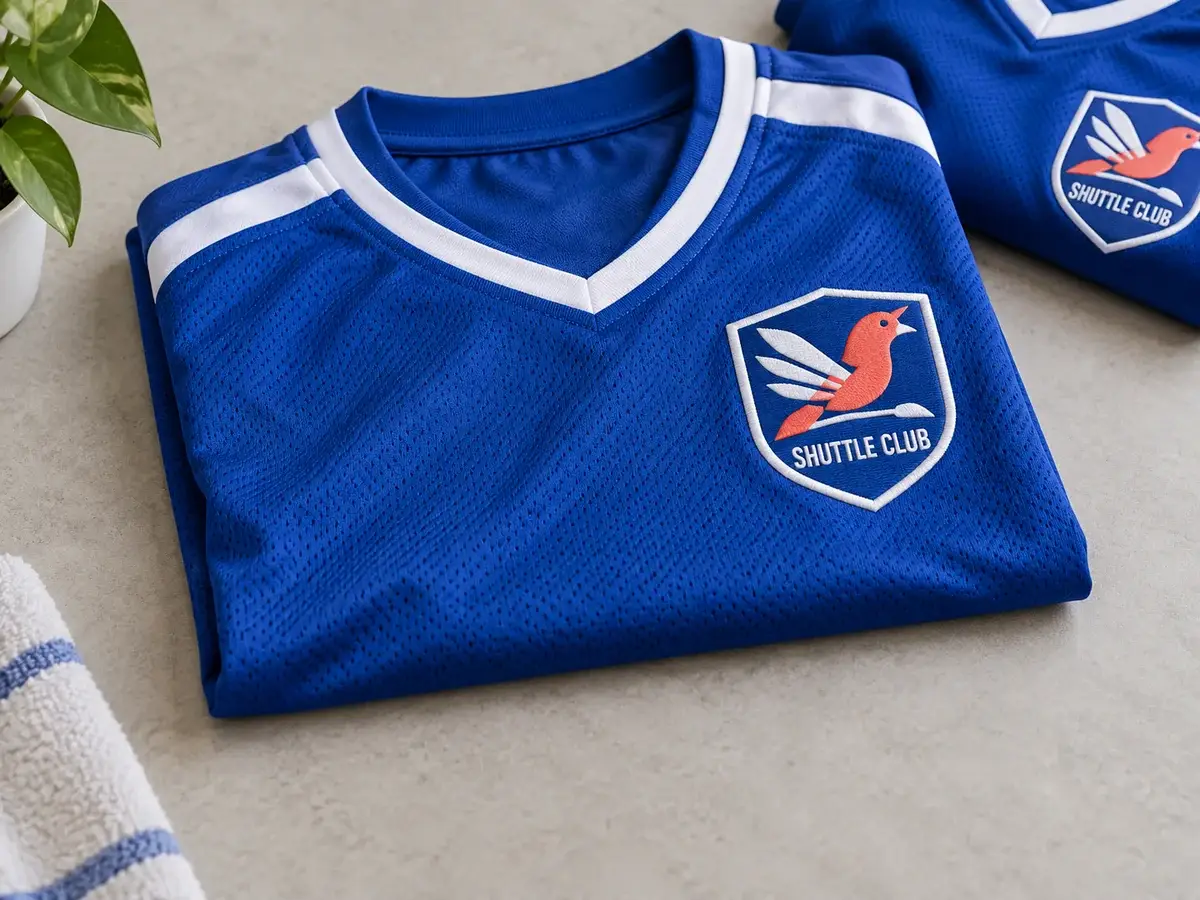
Planning Patches for a Team
A group order is mostly an administration problem wearing a design problem's clothes. Here is what to settle before you send anything.
READ MORE