Planning Patches for a Team
A group order is mostly an administration problem wearing a design problem's clothes. Here is what to settle before you send anything.
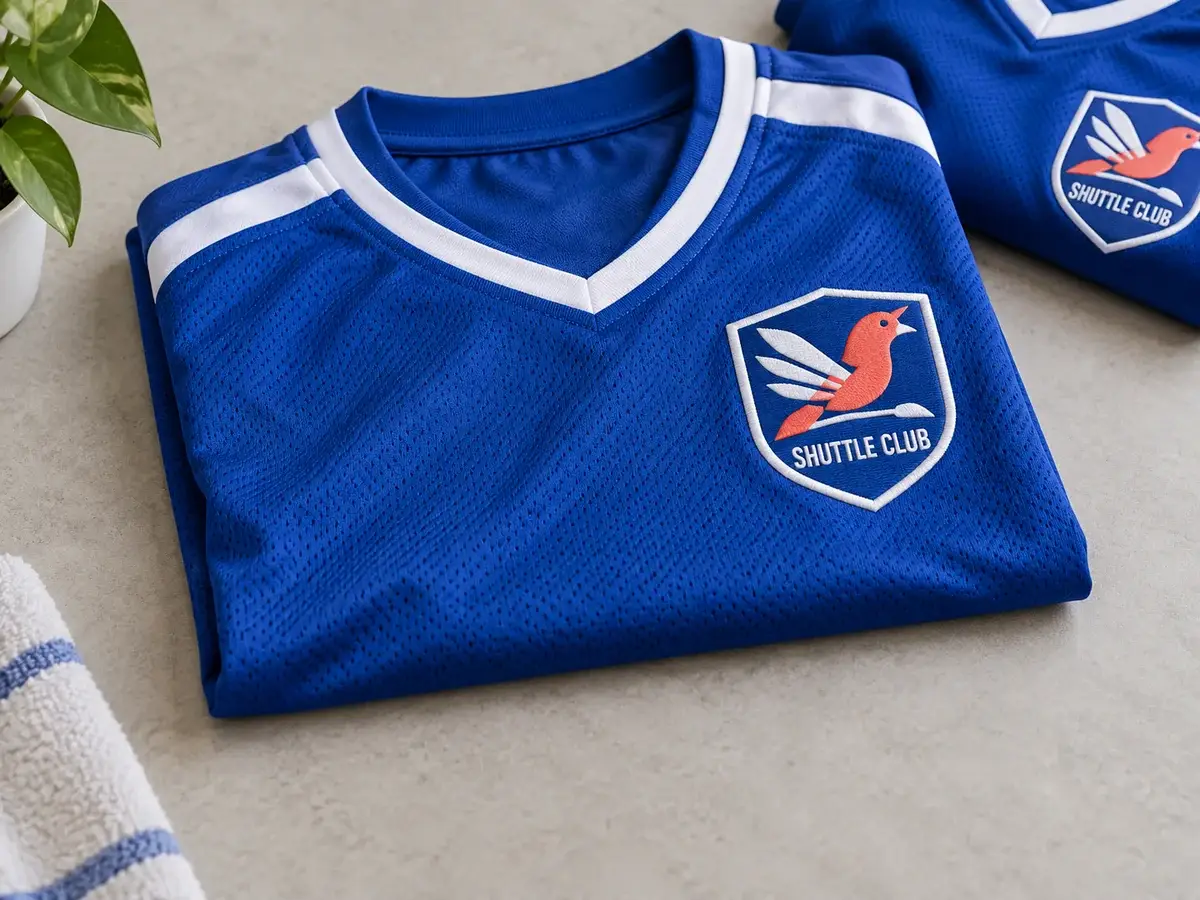
AT A GLANCE: KEY TAKEAWAYS
- Decide who gets what before you decide what it looks like. The roster shapes the order more than the artwork does.
- Set one letter height across the whole set from the longest name, not from the shortest.
- A different name on every piece costs no more than the same name repeated.
- Plan for the person who joins in month four. They are the reason reorders matter.
- An exact repeat is 10% off. Exact means art, size, color, material and construction all unchanged.
Ordering patches for a group is a different job from ordering one patch. The design work is usually the easy part. The hard part is the administration: who gets which piece, what happens when the roster changes, and whether the batch you buy next year will match the one you bought this year.
This is written for whoever ends up organizing it, which is rarely the person who designed the artwork.
Settle the roster before the artwork
Start by writing down every distinct piece the program needs and who receives each one. Not the design, the inventory.
A typical group order turns out to be more pieces than anyone expected:
- One badge everybody gets
- Name pieces, one per person
- Role, rank or qualification pieces, some people only
- Pieces that vary by team, site, year or season
- Something for people who leave and come back, or who change roles
Once that list exists, several things become obvious that were not obvious before: which pieces never change, which change constantly, and therefore which should be permanently attached and which should be removable.
Name pieces: size from the longest name
The single most common mistake in a group order is designing the layout around a short name and then squeezing the long ones to fit. It produces a set where half the pieces look different from the other half, which is exactly what you notice when people stand next to each other.
Do it the other way around. Find the longest name in your list, set the letter height that works for it in the available space, then lay every other piece out at that height. A four-letter name and a fourteen-letter name then look like they came from the same order, because they did.
Two practical notes:
Varying the name costs nothing extra. The setup work is the same whether a run is fifty identical pieces or fifty different names, so a roster order is priced as a run rather than as fifty separate jobs. Nobody should be economizing by giving people the same generic strip.
Check spellings twice. Names are set from the list you send and shown on the proof, and approving the proof confirms them. A proof cannot catch a name that arrived wrong.
Decide fixed or removable, per piece
This is where the roster work pays off.
Pieces that never change should be fixed. The organization badge, the club emblem, the crest. Sewing is the most durable option and needs nothing added to the garment.
Pieces that change with the person or the role should be removable. Name pieces where staff turn over, rank markers, seasonal or site pieces. Hook-and-loop is the usual choice, and it needs a compatible loop field on the garment, which is a one-time modification.
Plenty of programs run both on the same garment for exactly this reason. A sewn badge and a hook-backed name strip is not indecision, it is two correct answers to two different questions.
Plan for the person who joins in month four
Group orders are almost never one order. Someone joins, a garment wears out, a second site opens, a role changes. The batch you buy later has to match the batch you have.
That match depends on things being recorded rather than remembered:
- The color references used
- The finished dimensions of each piece
- The letter height across the set
- The border finish
- Which construction each piece is
Tell your supplier at the first order that it is an ongoing program, and those references get held. Ordering a matching piece two years later against a held reference is straightforward. Matching against a photograph of a worn patch is not.
An exact repeat run is 10% off. Exact means the art, size, color, material and construction are all unchanged. Change any one of them and it becomes a new piece rather than a reorder, which is worth knowing before someone decides to adjust something small.
Collect the practical details early
The information that holds up group orders is rarely the artwork. It is:
- The garment. Not the category, the actual item, including what it is made of and whether it can take heat.
- The size breakdown, if garments are being supplied.
- How the garments are laundered. Domestic or commercial, and how often.
- The full roster, with spellings confirmed by whoever owns the list.
- The date, if there is a real one.
Sending four of the five means a follow-up email rather than a quote.
What a patch order does not do
Worth saying plainly, because it is often implied and rarely true: a patch does not improve how a team performs. It marks membership, it identifies people, and for some groups it carries real meaning. Those are good reasons to order one. Claims about morale or cohesion are not something a supplier can support, and this article does not make them.
What a well-planned group order does do is stop the program being an ongoing irritation: pieces that match, names that fit, reorders that arrive looking like the originals, and nobody having to redo the artwork because a new person joined.
Frequently Asked Questions
Does a different name on every patch cost more?
How do I stop long and short names looking mismatched?
Which pieces should be removable?
How do I make sure next year's batch matches?
How does the reorder discount work?
What do you need from me to quote a group order?
Latest Articles
View All Articles
How Embroidered Patches Are Made
Six stages between a logo and a finished patch. Most of the decisions that determine how it looks are made before a single stitch goes down.
READ MORE
PVC, Silicone and Rubber Terms
Three words, two materials, and a lot of confusion. What people mean when they say rubber patch, and why the distinction matters once you are ordering.
READ MORE
How to Design a Custom Patch
Most patch designs go wrong in the same order. Here is the sequence that avoids it, starting with the one decision everything else depends on.
READ MORE